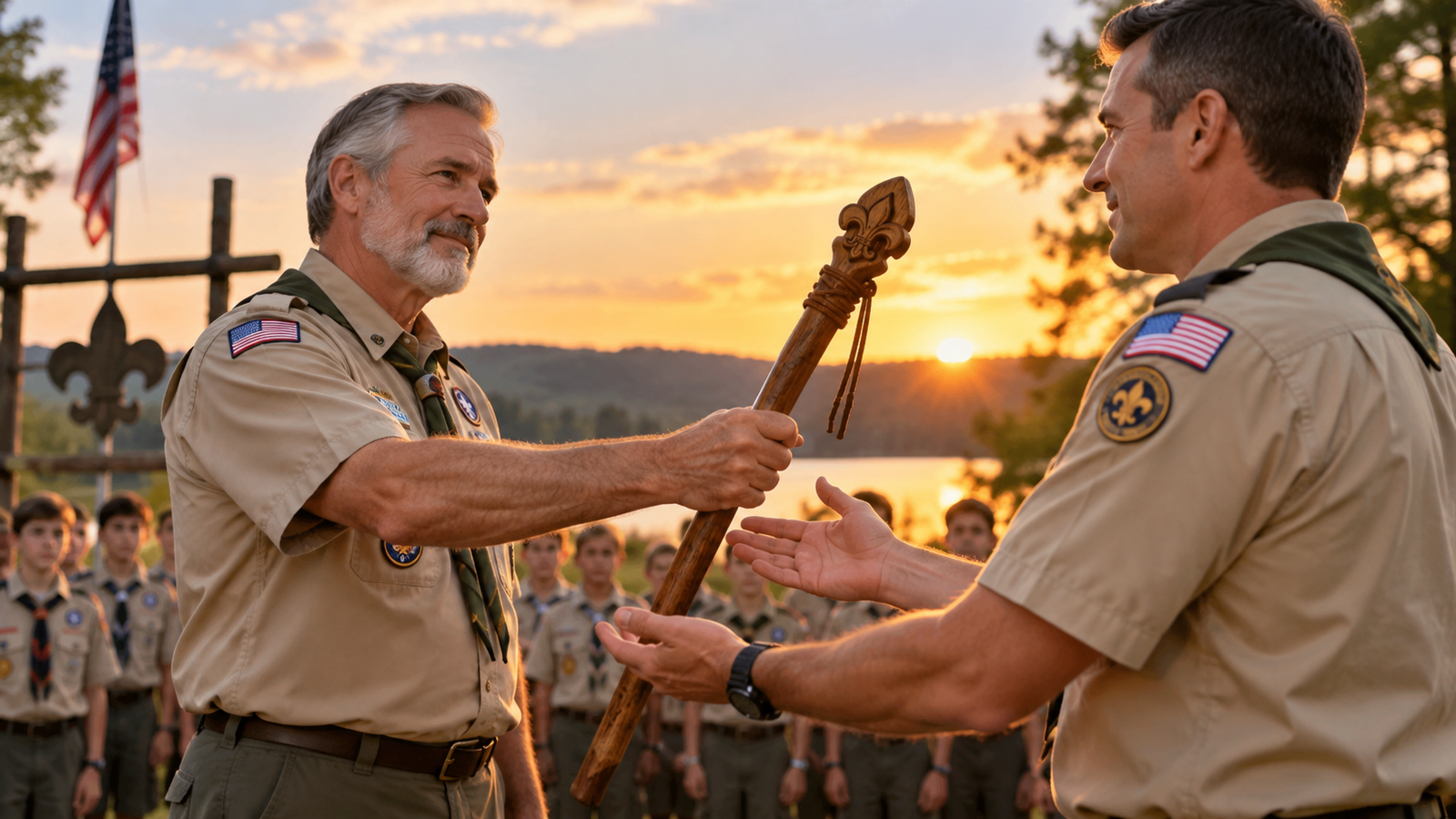
What would happen if your Scoutmaster, Committee Chair, or another essential adult leader suddenly stepped away? If the answer is unclear, your unit may depend too heavily on one person.
Recognize the Key-Person Risk
A unit becomes vulnerable when one adult leader holds all the knowledge, relationships, or access needed to perform a critical role. That person may be the Scoutmaster, Committee Chair, Treasurer, advancement lead, or someone with a special connection to the chartered organization. If that leader must step away unexpectedly, the unit can be left without a clear replacement.
The risk is especially serious when procedures are undocumented, and no one else has been trained. A new leader may have to rebuild the role from scratch while other volunteers continue to expect records, arrangements, reports, or support that the previous leader routinely provided.
Test Your Unit’s Readiness
Ask what would happen if a key volunteer became unavailable:
- Could someone else access and update advancement records?
- Would camping plans and reservations continue without disruption?
- Could another authorized leader manage the unit’s finances?
- Would adult training records remain current?
- Could someone maintain the relationship with the chartered organization?
Leaders relocate, change jobs, face family obligations, or simply need to step back. Succession is not a remote possibility; it is something every unit should anticipate.
Build Teams, Not Silos
The best protection is to distribute knowledge and responsibility across a team. Advancement volunteers should all know how to access and update records. Treasurers and quartermasters should train others in their procedures. A Committee Chair can work with an Associate Committee Chair, while Scoutmasters and Cubmasters should actively involve their assistants.
Team members should learn one another’s responsibilities well enough to provide immediate coverage. No single person should do everything or keep essential information behind the scenes.
Develop Future Leaders
Invite parents and other new volunteers to participate, give them meaningful responsibilities, and teach them how the unit operates. Bringing new people into teams creates opportunities to serve while building the next generation of unit leadership.
Baden-Powell’s advice remains relevant: “Be prepared.” Identify fragile roles now, share the knowledge they require, and develop people who can step in when needed.
Create a Transition Plan
A written transition plan gives the next leader a practical starting point and helps the team maintain continuity. Prepare it before a vacancy occurs, not after.
Document the Role
Make essential information available to the entire team, including:
- A clear list of responsibilities for the program year
- Calendars, checklists, logbooks, and recurring deadlines
- Instructions for accessing records, files, and other materials
- Unit-specific procedures that are not covered in basic position training
At least one other team member should understand the current work, know where information is stored, and be prepared to continue essential tasks.
Identify and Prepare a Successor
Leaders should talk with their assistants about who may be willing and able to serve next. Potential successors need opportunities to practice. For example, an Assistant Cub Master might lead a pack meeting when the Cub Master is unavailable, then discuss what went well and whether the role is a good future fit.
This gradual development makes succession less intimidating. New leaders will still face challenges, but experience, documentation, and support allow them to begin with confidence rather than from scratch.
Support the New Leader
A successor should not feel obligated to preserve every inherited practice. When stepping into a role, evaluate each task:
- Is it a requirement or merely a tradition?
- Does it help the unit succeed, or is it simply a habit?
- Does it make the work easier, or create unnecessary “make-work”?
Other leaders should be patient, Helpful, Friendly, and Courteous as the new person finds an effective way to lead. Support continuity without insisting that every detail remain unchanged.
Measure a Successful Transition
A transition succeeds when the new leader works well with the team, essential responsibilities continue, and the unit experiences minimal disruption. Preserve traditions and practices that are effective, but allow thoughtful improvements when they genuinely strengthen the program.
Leadership changes do not have to destabilize a unit. With shared knowledge, prepared assistants, clear documentation, and a supportive team, the work can continue smoothly from one leader to the next. I am grateful for your participation in this discussion. I will see you on the trail.

