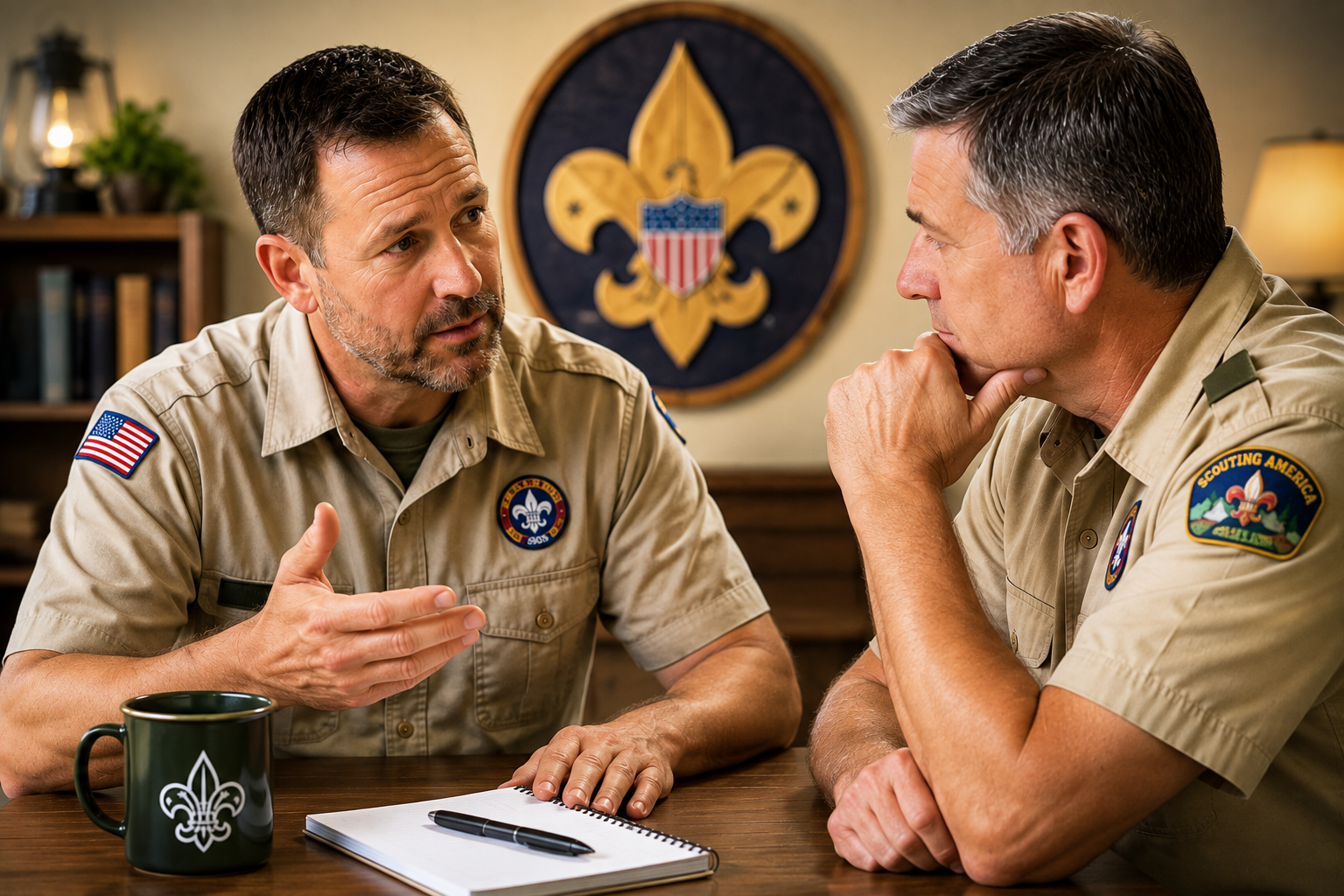
Feedback should never make someone feel small. Its purpose is to encourage growth, strengthen leadership, and help volunteers continue serving with confidence.
Feedback Is Not Criticism
When a leader needs to address a missed detail, a poor presentation, or a situation that could have gone better, the goal is not to make another volunteer feel like they cannot do anything right. Criticism focuses on fault. Feedback focuses on growth.
That distinction matters because volunteer leaders are not employees. They are not receiving a paycheck, annual review, pension, or professional development plan. They are giving their time because they believe in the mission. When they are corrected without support or appreciation, they may decide to step away, and Scouting cannot happen without them.
Separate the Person from the Problem
Good feedback addresses a behavior, decision, or outcome. Not the person’s worth or character. Instead of saying, “You don’t know how to run a meeting,” try something more constructive: “I think the Scouts may have lost focus during part of the meeting. Let’s talk about one way to keep them engaged next time.”
This approach makes the conversation collaborative. You are not attacking the leader… you are partnering with them to solve a problem and help them improve.
Ask Before You Tell
Before pointing out what went wrong, invite the other person to reflect. Ask, “How do you think things went?” Then listen. Often, the leader already knows what could have gone better, and the conversation becomes easier, more respectful, and more productive.
Feedback works best as a conversation, not a confrontation. When people are invited into the discussion, they are more likely to receive the message and act on it.
Praise Publicly and Correct Privately
Recognition should be timely, specific, and public when appropriate. If someone did a good job, say so clearly and promptly. A simple, genuine “Thank You” can go a long way.
Correction, however, should not become public embarrassment. If something needs to be addressed, pull the leader aside and speak privately. When youth are involved, continue to follow two-deep leadership and safety guidelines while still keeping the conversation respectful and appropriate.
Focus on One Thing at a Time
Do not unload every concern at once. A long list of corrections can feel overwhelming and personal, even when that is not your intent. Instead, take notes, identify the most important point, and focus the conversation there.
This is especially helpful when coaching leaders through skills such as boards of review, Scoutmaster conferences, or presentations. You may notice several things, but the leader will learn more from one clear, actionable suggestion than from a flood of details.
Choose the Right Time
Timing matters. If a meeting or conference ends late, it may be better to say, “Let’s talk about this tomorrow,” rather than trying to process everything on the spot. A short delay gives both people time to think and helps the feedback become more thoughtful and useful.
There is one important exception: anything related to youth protection or safety must be addressed immediately. Safety is not ordinary feedback; it is a responsibility. If something needs to be corrected to safeguard young people, step in right away.
Give a Clear Path Forward
Constructive feedback should include a next step. Rather than saying, “You do not handle Scoutmaster conferences well,” be specific: “Next time, try asking more questions and giving the Scout more room to talk.” That kind of guidance gives the leader something practical to try.
It is also important not to confuse “different” with “wrong.” Another leader may not teach, present, or guide exactly the way you would. Before offering correction, ask yourself whether the issue truly affected understanding, safety, or the outcome, or whether it was simply a different style.
End with Encouragement
Every feedback conversation should leave the volunteer knowing they are valued. Sometimes feedback is simply encouragement: “I appreciate that you took the time to cover this topic. It matters, and your effort helped the Scouts.”
Leaders improve over time. Presentations get stronger with practice. Skills become smoother with repetition. Good feedback helps volunteers grow while reminding them that their work matters.
“Feedback Is a Gift“
At Wood Badge, we often say that feedback is a gift. Given well, it strengthens leaders, protects relationships, and helps volunteers know they are needed and appreciated. That is how we “keep building a better America, one Scout at a time.” Until next time, I’ll see you on the trail.
