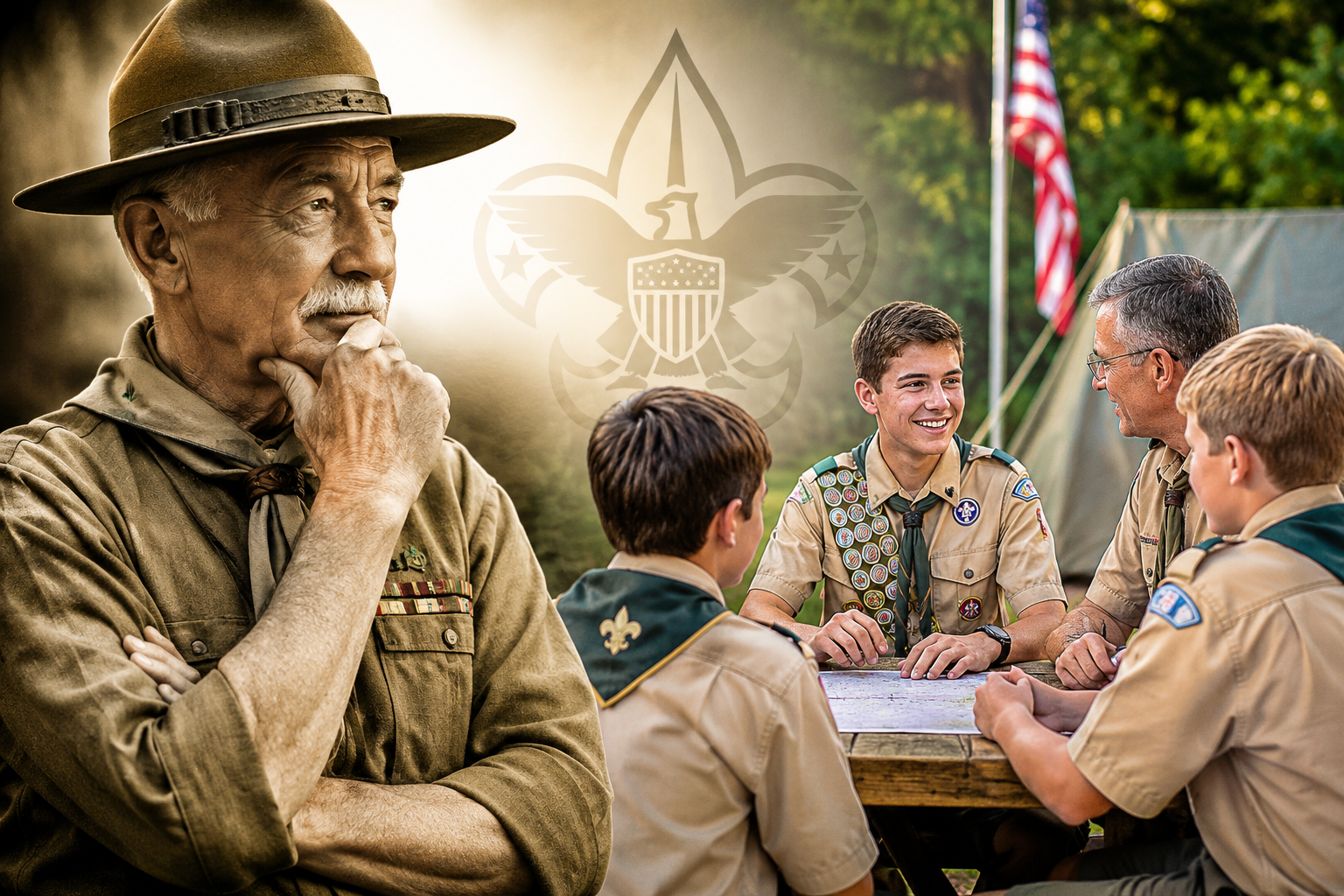
What would impress Baden-Powell if he could attend your next Scouting meeting today, and what might concern him?
The Heart of Baden-Powell’s Vision
Baden-Powell, often called “BP,” a nickname that also echoed the Scout motto, “Be Prepared,”… founded the Scouting movement with a vision that was meant to grow, adapt, and remain relevant over time. He understood that traditions matter, but he also knew that a movement must keep moving. Traditions should strengthen Scouting, not hold it in the past.
If BP were able to observe Scouting today, he would likely begin with one central question: Are the Scouts truly leading?
Are Youth Leading the Program?
In a troop, BP would look closely at whether the patrol method is alive and working. Are patrol leaders actually leading their patrols? Are they setting the example, making decisions, and giving Scouts meaningful input into the life of the unit?
For Cub Scouts, the structure is different because adult leadership is more direct. Even so, the foundations of youth responsibility can begin early, especially in Webelos dens, where Scouts can start experiencing a patrol-like environment before crossing into a troop.
The Role of Adult Leaders
BP would likely be encouraged by adults who coach and mentor, but concerned when adults take over and direct every decision. Most Scout leaders want to do the right thing, but it is easy to skip over the learning process and solve problems too quickly.
Adult leaders should focus on:
- Mentoring rather than directing.
- Coaching Scouts through challenges.
- Allowing youth to learn from mistakes.
- Giving patrol leaders room to lead.
Failure can be a powerful teacher. The familiar idea of FAIL = “First Attempt In Learning”… fits Scouting well. Adults are not setting Scouts up to fail; they are giving them a chance to face problems, work through them, and grow.
The Patrol Method Matters
The patrol method is at the heart of Scouting. Patrol identity – cheers, flags, teamwork, responsibility, and friendly competition—helps Scouts feel ownership of their group. In Cub Scouting, this can begin in simple ways through den identity and shared responsibility. In a troop, it becomes one of the central ways Scouts learn leadership.
Flexibility Over Overscheduling
BP would likely be concerned by programs that schedule every moment of an event. A good plan matters, but so does flexibility. Scouts need room for conversation, fellowship, spontaneous fun, and the natural problem-solving that happens when every second is not scripted.
Activities should be shaped by what Scouts want to do. Advancement may happen along the way, but it should not be the main driver. Adventure comes first; advancement follows naturally when Scouts are active, learning, and doing.
Advancement Through Adventure
Advancement does not always need to follow the exact printed order in the handbook. Scouts can work on skills across several ranks at the same time, especially from Scout through First Class. When they camp, hike, paddle, cook, navigate, and serve, they naturally encounter opportunities to learn and complete requirements.
Merit badge weekends can be valuable and often need more structure because requirements, counselors, and safety considerations must be coordinated. But they are different from adventure. A merit badge event may feel more like a classroom, while a canoe trip, campout, or major hike gives Scouts the kind of experience that makes Scouting come alive.
Safety, Structure, and Space to Grow
Some activities… such as climbing, boating, sailing, or a COPE course require careful planning and structure for safety. That structure is essential. But even around highly scheduled activities, Scouts still need downtime to talk, laugh, build friendships, and simply enjoy being together.
When a schedule becomes too tight, it squeezes out spontaneity. Without spontaneity, the fun disappears.
Character Comes First
BP would almost certainly focus on character. Cub Scouting plays a critical role in helping young people develop confidence, trustworthiness, responsibility, and a willingness to serve. Those traits continue to grow in troops, crews, and throughout life.
Over time, Scouts learn that they can be trusted with real tasks. That trust leads to responsibility, and responsibility often leads to a stronger desire to serve the community… whether by cleaning up a park, helping with a service project, or taking ownership of something meaningful.
Are Scouts Getting Outside Enough?
BP would likely ask whether Scouts are spending enough time outdoors. Camping, hiking, canoeing, boating, sailing, and other outdoor experiences are not extras; they are central to the program. Without outdoor activity, many of the skills Scouts need cannot be practiced, and advancement eventually stalls.
The “OUT” in ScOUTing matters. Outdoor adventure gives Scouts the opportunity to learn, succeed, struggle, adapt, and grow. Adult leaders help make those experiences possible by mentoring, coaching, and ensuring safety, but the adventure itself should remain at the center.
Would BP Encourage More Fun?
Yes… especially through games. Games are one of the best ways to get Scouts active, engaged, and learning without making the lesson feel forced. In the early days of Scouting, games were essential because they combined fun with practical experience.
A strong troop meeting often includes:
- A gathering activity as Scouts arrive.
- A game that gets everyone moving.
- A central program or skill-building activity.
- A closing that brings the meeting together.
That middle game is especially valuable when patrols compete against one another in a friendly way. The goal is simple: have fun first. The lesson will often follow naturally.
Campfire, Songs, and Patrol Spirit
Campfires remain one of the great places where Scouting fun comes alive. Skits, songs, stories, and patrol traditions create camaraderie. Teenagers may be hesitant to sing at first, but once they realize that Scouting songs are often best sung loud and imperfectly, they can relax and enjoy it.
Patrol songs, patrol cheers, and friendly competition can become traditions Scouts look forward to every time they gather. These shared experiences build identity and pride.
Traditions That Involve Scouts
Traditions such as flag ceremonies, openings, closings, and patrol assignments are important because they give Scouts a role in the life of the troop. BP would likely be pleased to see patrols taking responsibility for these moments, especially when the Patrol Leaders Council rotates duties and gives multiple patrols a chance to lead.
Technology and Screen Culture
BP would probably be fascinated by today’s technology at first, especially cell phones, YouTube, and the constant presence of screens. Yet he might also be concerned by how easily screens can distract youth from direct experience, outdoor adventure, and face-to-face fellowship.
Technology was far outside the world BP knew. Even television was new late in his life. Still, he would likely ask the same timeless question: Is this helping Scouts grow, or is it getting in the way?
What Would Impress Him Today?
One thing that would likely impress BP is the modern emphasis on safety. Today, adult leaders are more intentional than ever about risk management, training, and protecting youth. Safety is job number one, and BP would probably appreciate that Scouting has become more thoughtful and deliberate in this area.
He would also likely be impressed by the amount of training available to adult leaders. Online training, live training, leadership development, and programs such as Wood Badge all help adults become better mentors and coaches.
Inclusive Opportunities
BP came from a very different time and culture, so it is difficult to say exactly how he would respond to every aspect of modern inclusion. However, Scouting has always been a movement, and movements must grow. The broader goal remains helping young people develop character, responsibility, service, and leadership.
Seen across more than a century of change, BP would likely recognize that Scouting’s ability to welcome more young people strengthens the movement rather than weakens it.
Questions for Adult Leaders
If BP could speak directly to adult leaders today, he might ask challenging questions:
- Are we solving youth problems too quickly?
- Are we giving Scouts real responsibility?
- Are we mentoring and coaching instead of taking over?
- Are we creating opportunities for meaningful learning?
Those questions are important because responsibility is not something Scouts learn by watching adults do everything. They learn it by being trusted, supported, and allowed to lead.
The Core Has Not Changed
The Scouting movement has changed over time and will continue to change. It has had ups and downs, and it will face more in the future. But the core values remain strong. The Scout Oath and Scout Law still provide the anchor, even as wording and program details vary across countries and generations.
That balance… adapting on the outside while staying anchored at the core is what would likely impress BP most. Scouting can change because its foundation is still true and strong.
A Final Question
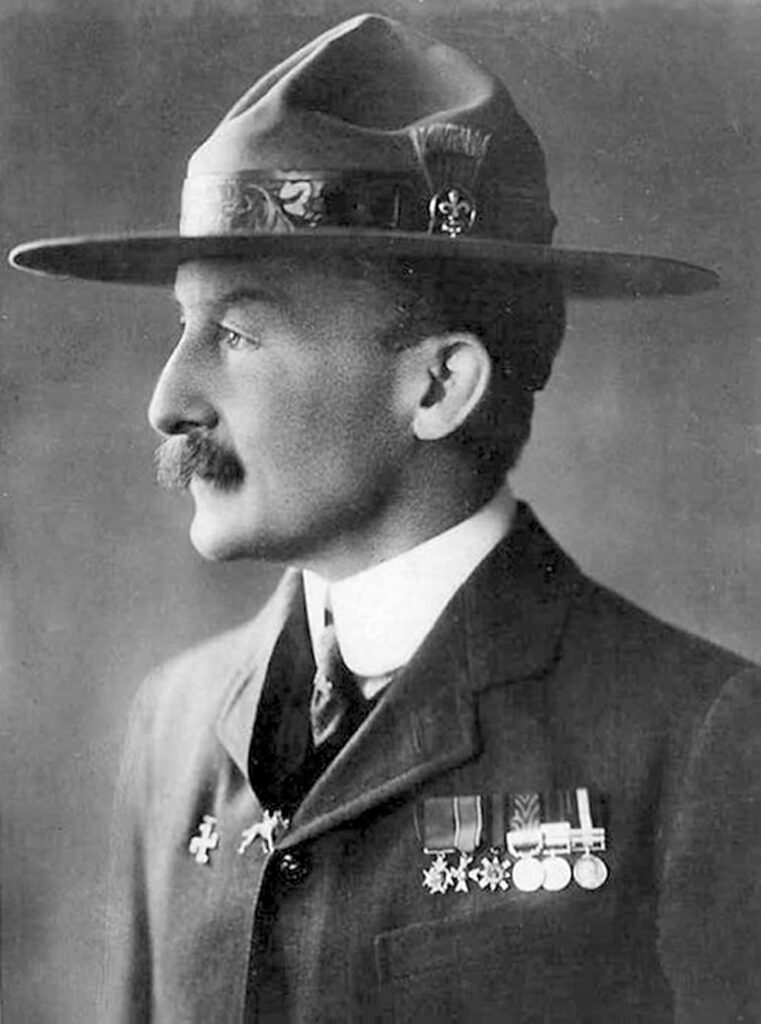
So what do you think Baden-Powell would notice most today? Would he focus on cell phones and YouTube? Would he be concerned that Scouting looks different from the movement he founded? Or would he see that the core values have kept Scouting anchored while allowing it to adapt?
That may be the key lesson. Scouting can change on the outside as long as its foundation remains strong. When the Scout Oath and Scout Law stay at the center, Scouting can continue long after us.
People sometimes notice that older books use slightly different wording for parts of the Scout Law or other core ideas. Those differences are worth discussing, but they do not change the larger point: the heart of Scouting remains steady even as the movement grows and adapts. Till next time, I’ll see you on the trail.
