Older Scouts do not stay involved because of routine meetings, merit badge checklists, or repeated activities. They stay because they feel they belong, because the troop offers meaningful adventures, and because they are trusted with real responsibility.
Start With Adventure
Scouts do not join for boring meetings. Meetings matter, but they should support the next adventure rather than become the main event. A strong program begins with something exciting the youth want to do, then uses meetings to prepare for it.
Adult leaders can help by mentoring the senior patrol leader and youth leadership team to design meetings around upcoming activities. If the troop is preparing for a canoe trip, for example, the meeting might move outdoors with a canoe on hand so Scouts can learn parts of the canoe, practice paddle skills, and connect the meeting directly to the adventure ahead.
Avoid Repetition
Older Scouts quickly recognize when the troop repeats the same campouts, locations, and routines year after year. Once they have “been there and done that,” repeating the same experience can feel stale.
Keep the program fresh by varying:
- Themes for campouts and meetings
- Locations and routes
- Skills being practiced
- Patrol competitions and challenges
- High-adventure or youth-designed activities
Adventure creates memories; repetition creates boredom. A troop that keeps changing the challenge is more likely to keep the attention of both newer and older Scouts.
Watch for Signs of Disengagement
Adult leaders should pay close attention to how older Scouts are participating. A Scout who was once active may begin to drift away gradually, and early signs are easy to miss.
Look for warning signs such as:
- Missing meetings or activities more often than usual
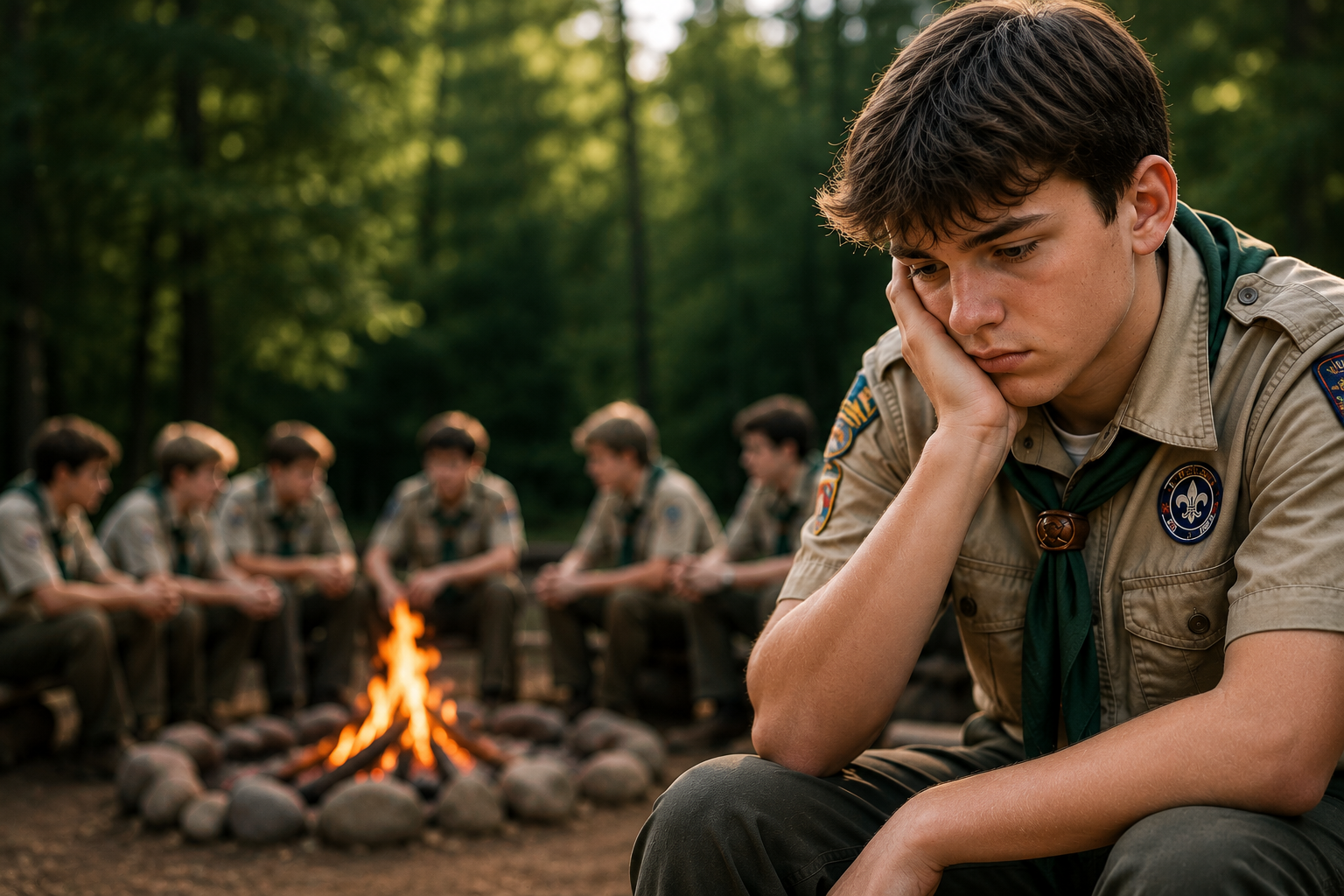
- Withdrawing during meetings or sitting apart from the group
- No longer volunteering for leadership roles or responsibilities
- Showing little interest in planning, teaching, or participating
- Appearing disconnected from the patrol or troop
When those signs appear, do not assume the Scout is simply uncommitted. Older Scouts often have sports, work, school demands, family responsibilities, and other pressures. A Scoutmaster conference or thoughtful conversation, handled with appropriate leadership practices, can help identify what is really going on.
Meet the Need for Belonging
It is easy for adults to say, “Kids today are not as committed as they used to be,” but that misses the point. Scouts still need what they have always needed: belonging, purpose, challenge, and connection.
Older Scouts are more likely to stay when they know they are needed, wanted, and valued. Their experience should be used meaningfully, not treated as a convenience. They should feel that their knowledge, leadership, and ideas matter to the troop.
Do Not Turn the Program Into an Advancement Treadmill
Advancement is important, especially for younger Scouts, but it should not become the entire program. When every meeting becomes a checklist of requirements, older Scouts may feel trapped in repetition.
Older Scouts can help teach skills, but they should not be expected to run the same basic training over and over. Occasional instruction is valuable; constant repetition can lead to burnout. Advancement works best when it supports adventure rather than replaces it.
Use Patrol Structure Intentionally
Some troops create older-Scout patrols so experienced youth can pursue more advanced activities. That can work in some situations, but it can also cause older Scouts to separate from the rest of the troop and gradually fade away.
A balanced patrol structure often works well because newer Scouts get to observe and learn from older Scouts, while older Scouts remain connected to the troop’s daily life. The goal is to build patrol spirit while giving experienced Scouts meaningful opportunities to lead and grow.
Reduce Adult Micromanagement
One of the quickest ways to discourage older Scouts is excessive adult control. If youth leaders are constantly corrected, overruled, or micromanaged, older Scouts may conclude that the troop is not really youth-led.
Adult leaders should mentor, coach, and facilitate. The Scouts should lead the youth group. Their goals, plans, and ideas should shape the program. Youth engagement rises when responsibility rises.
Give Leadership a Real Purpose
Leadership roles should not be ceremonial. The senior patrol leader should not simply announce what adults have already decided, and patrol leaders should not merely carry out instructions. Youth leaders need genuine authority, clear responsibilities, and accountability.
Adults can support this by asking guiding questions instead of solving every problem:
- What are you trying to accomplish?
- How will the patrols prepare?
- What support do you need?
- What risks or restrictions should be considered?
- How will you know the activity was successful?
When problems are not safety-related, allow Scouts to work through them. Safe failure can be a powerful first attempt in learning.
F. A. I. L. = First Attempt In Learning
Build in Breathing Room
Older Scouts can burn out when the schedule is overloaded or when the same people are asked to do everything. Campouts and activities should include unstructured time for patrols to talk, play games, relax, and simply be together.
That fellowship is not wasted time. It is one of the reasons Scouts feel connected to each other and to the troop. Sometimes older Scouts do not need more pressure; they need more inspiration.
Encourage Youth-Designed Adventure
Good leaders bring older Scouts back to life by giving them opportunities that are challenging, fresh, and truly theirs. High-adventure bases can provide those experiences, but adventure does not have to come from a national base. Older Scouts can design meaningful challenges of their own.
Possible youth-led adventure ideas include:
- A survival weekend with clear safety boundaries
- A long-distance hike, such as a 50-mile trek
- A multi-day canoe trip
- A patrol competition built around upcoming skills
- A climbing, backpacking, cycling, sailing, or service-based challenge
- A new destination the troop has never tried before
The key is ownership. Let the youth develop the idea, identify what preparation is needed, build meetings around the event, and bring the plan to the patrol leaders’ council. Adults should encourage, guide, and ask good questions while keeping safety and logistics in view.
Let Adventures Stand on Their Own
When a troop has a memorable campout, resist the urge to recreate it exactly. Let that experience stand as part of the troop’s story. Future adventures can be similar in spirit, but they should offer something new: a different river, trail, island, challenge, or goal.
Older Scouts are more likely to stay where the excitement is. A program that keeps offering new experiences gives them a reason to remain involved.
Why Older Scouts Matter
The importance of older Scouts cannot be overstated. Younger Scouts watch how they lead, how they solve problems, how they interact with peers, and how they help shape the youth-led troop. That example is one of the strongest forms of learning in Scouting.
Older Scouts also carry the culture of the troop. When they are active, connected, and respected, they help newer Scouts see what they can become.
Practical Reset Ideas for Leaders
If older Scouts are drifting, adult and youth leaders can reset the program with a few focused questions and changes:
- Review the next month of meetings and ask whether each one connects to the next major adventure.
- Challenge the youth leadership team to run a meeting without lectures.
- Bring back patrol competitions tied to upcoming activities.
- Ask older Scouts what major adventure they would like to plan from start to finish.
- Give patrol leaders real input and authority in the patrol leaders’ council.
- Use advancement as support for adventure, not as the whole program.
Trust, Mentor, and Connect
Scouting is strongest when older Scouts know they are needed. They should help design the program, take on real leadership, and contribute to decisions that affect the troop. Adults must be willing to trust them, mentor them, and communicate clearly that they are capable of leading.
Adult leaders still have essential responsibilities, especially around safety, resources, and logistics. Much of that support happens behind the scenes. But the youth should understand that the troop is their group, their adventure, and their opportunity to lead.
Keeping older Scouts involved is not about adding more pressure or repeating the same activities. It is about giving them belonging, challenge, ownership, and purpose. Let them plan. Let them lead. Let them take responsibility for adventures that matter. When older Scouts feel trusted and connected, they are far more likely to stay, and far more likely to help the next generation of Scouts grow. Until next time, I’ll see you on the trail.