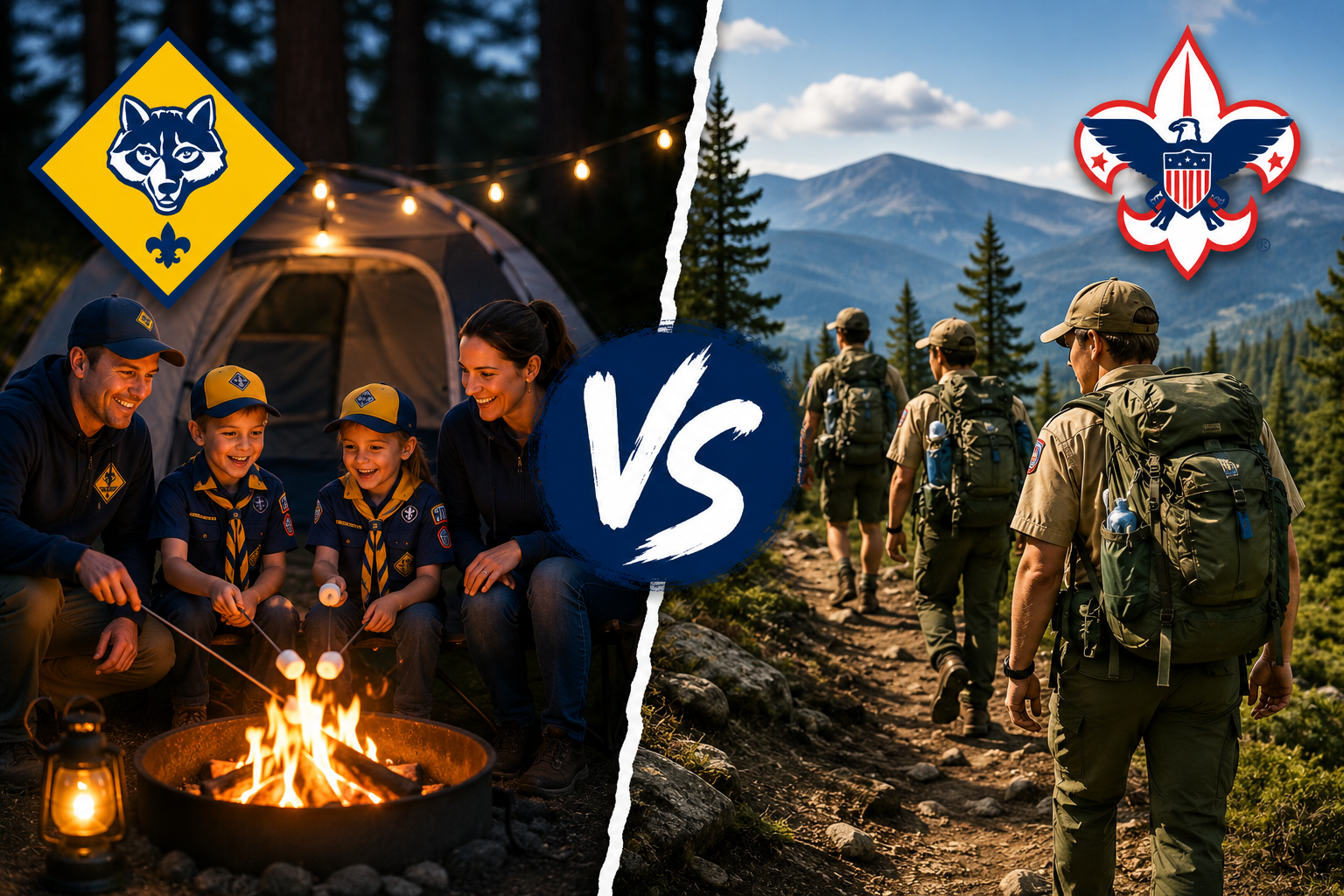
Cub Scout camping is family camping, and that difference matters. While troop camping is designed to build youth leadership and independence, Cub Scout camping is meant to introduce young people and their families to the outdoors in a way that feels welcoming, safe, and fun.
Why Cub Scout Camping Is Different
The goal of Cub Scout camping is not to recreate the troop experience. In Cub Scouting, families camp together, and parents play an active role in helping youth feel comfortable, engaged, and supported. That makes the experience less intimidating and more appropriate for younger children.
Cub Scouts are introduced to outdoor skills gradually. The focus is on exposure and enjoyment rather than mastery. Simple activities… such as learning how to light a fire safely, taking a short nature walk, or helping set up a tent… give youth a positive first experience without overwhelming them.
This distinction matters even for leaders in troops, crews, and ships. Many Scouts begin in Cub Scouting, so understanding how Cub Scout camping works helps leaders appreciate the progression from family-centered outdoor experiences to more advanced youth-led programs.
Core Priorities of Cub Scout Camping
- Keep the experience family-oriented and welcoming.
- Make outdoor activities simple, safe, and age-appropriate.
- Focus on fun, confidence, and positive first impressions.
- Introduce basic skills without turning the outing into an advancement-heavy event.
What the Experience Should Feel Like
Cub Scout camping should present the outdoors in a positive light. Campfire songs, skits, simple nature activities, and time to explore are often more valuable than a packed schedule. The aim is to help youth and their families enjoy being outside together.
A Cub Scout camping trip is not the place for strenuous adventures or troop-style leadership structures. There are no 50-mile hikes, and patrol methods are generally not part of the experience. In some cases, older Cub Scouts such as Webelos or Arrow of Light Scouts may observe troop camping, but that should remain an introduction… not a full troop-style program.
Safety and Supervision
Safety is always the top priority. Adult leaders should complete the required training and keep it current. Parents are expected to supervise their children throughout the event, and all activities should follow safe scouting guidelines.
Tools and tasks must also be age-appropriate. For example, a child may help with a small mallet while setting up a tent, but more advanced tools should remain in adult hands. Cub Scout camping is typically a one-night experience, which helps keep the outing manageable and safe for families.
Keep the Schedule Simple
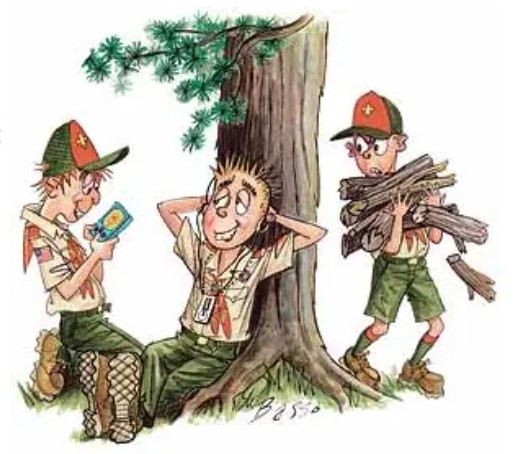
A good Cub Scout camping schedule is structured enough to provide direction, but flexible enough to leave room for rest, play, and family time. A few planned activities are usually plenty. Overloading the outing with advancement requirements or tightly scheduled programming can make the experience feel stressful instead of enjoyable.
This is especially important because Cub Scout-age children have different emotional and developmental needs. For many families, this may be their first camping trip. Keeping the schedule simple gives parents space to help their children adjust and enjoy the experience.
Many councils also offer camp programs designed specifically for Cub Scouts. These can be excellent opportunities because they often provide age-appropriate activities in a setting built to support family camping.
Make It Fun and Memorable
Cub Scout camping should feel exciting, memorable, and a little magical. That does not require constant activity; it requires thoughtful planning around the kinds of moments young people enjoy most. Campfires, songs, marshmallows, short hikes, and simple discoveries in nature often leave the strongest impressions.
These outings are also ideal for introducing basic outdoor awareness. Youth can learn to stay on the trail, respect the environment, and notice what is happening around them. Lessons should be brief, practical, and tied to the fun of being outdoors.
Use Available Resources
Whenever possible, families and packs should take advantage of council camps and Cub Scout-specific events. These programs may offer activities such as waterfront access, shooting sports, prepared meals, or other facilities that make family camping easier and more engaging.
Avoid Treating a Pack Like a Troop
One of the most common mistakes adults make is planning Cub Scout camping as if it were troop camping. Troops are youth-led and built around increasing independence. Packs are leader-run and family-supported. The purpose of Cub Scout camping is not to imitate a troop but to create a positive first experience in the outdoors.
For many children, sleeping in a tent for the first time is a big adventure. That sense of wonder is worth protecting. When the experience is fun and manageable, it builds enthusiasm for future outdoor experiences as youth grow into the next stages of Scouting.
The Bigger Picture
Camping in Cub Scouts, troops, crews, and ships serves different purposes, and that progression is important. Cub Scout camping should remain family-oriented, simple, and encouraging so that young people develop positive early memories of the outdoors.
If leaders and parents keep the experience fun, safe, and age-appropriate, Cub Scouts are more likely to build confidence and continue on to future adventures in Scouting. That is why Cub Scout camping should stay true to its purpose… a welcoming introduction to outdoor life, shared with family. In short: keep it simple, keep it fun, and keep it centered on the family. That is what makes Cub Scout camping special. Till next time, I’ll see you on the trail.

