The service bar is a significant symbol on a Scout’s uniform, representing each year that a unit has successfully continued its operations. Not every unit reaches such milestones, some never make it that far. When you examine the story behind a uniform and notice a service bar, particularly one with a high number like 50, it conveys a sense of pride and accomplishment. 50 years of service is a remarkable achievement, but it also brings a sense of responsibility to maintain that tradition and continue serving. For every unit that achieves 50 years, countless others fall short. Scouts take great pride in their unit’s accomplishments, especially in providing extensive service to the community over many years.
Some Scouts choose to keep the service bar from the year they joined, rather than updating it annually, as a way of marking their own history within the unit. Scout leaders share this pride, celebrating the collective hard work done year after year. These years of service should be seen as contributions to the community, supporting Scouts’ growth and fulfilling the unit’s charter obligations. All service projects and community activities add to this legacy, making it a source of pride. Maintaining and servicing the unit is crucial, especially in a world where many things are viewed as disposable. The longevity of a unit is anything but disposable.
Historical research reveals that service bars have been part of Scouting traditions since the early days, within the first ten years of Scouting’s existence. By 1920, service bars, woven with either silver or gold thread, were commonly added to unit numbers. As time went on, milestone numbers like 25 were introduced, and the bars evolved in design and material. This tradition began as a way to distinguish units that consistently maintained their charter and became integral members of their communities. Even today, the veteran bar on a unit number is a symbol of continuous service and community involvement. Some units boast over 100 years of service, which is truly astounding.
The key to earning and maintaining veteran status is consecutive years of unit registration. If a unit fails to renew its registration on time and loses its number, the count resets upon reestablishment. Therefore, it’s crucial to keep registration timely, especially for units approaching major milestones like 45 years. Although the charter may change, what matters is uninterrupted unit registration. Veteran units should keep accurate records to preserve their history.
The veteran patch is typically worn above the unit number, signifying collective achievement. For example, a unit may have its number and veteran years combined in a single patch, reflecting its continuous existence even through changes in charter. If registration lapses, veteran status is lost, underscoring the importance of consistent renewal.
Patches and their placement have become a topic of concern, with some Scouts and leaders, sometimes referred to as the “uniform police,” ensuring proper patch placement. While their intentions are good, it can cause frustration, especially for Scouts whose parents or others sew on the patches. Patience and understanding are needed, as patch placement is not always under the Scout’s control.
Veteran units often succeed where others falter because they address key challenges. Leadership turnover is a major issue, when a Scoutmaster or Cubmaster leaves, the unit can struggle. Succession planning is essential, ensuring there’s always someone ready to step into leadership roles. Assistant leaders for every major position are vital for continuity. Without this, a unit is unlikely to achieve veteran status.
Another challenge is the relationship with the chartered organization, which owns the unit and its equipment. If the charter is dissatisfied, it can close the unit, regardless of its history. Maintaining a good relationship with the charter is crucial. Sometimes units transfer to new charters, and this flexibility helps maintain veteran status.
One distinguishing feature of veteran units is a strong pipeline of adult mentors, who guide both youth and other adult leaders. This mentoring prevents burnout and addresses vacancies when life circumstances change. Combined with a youth-led culture, these practices create an environment where everyone can thrive and enjoy the program. This is true for Packs, Crews, and Sea Scouts alike.
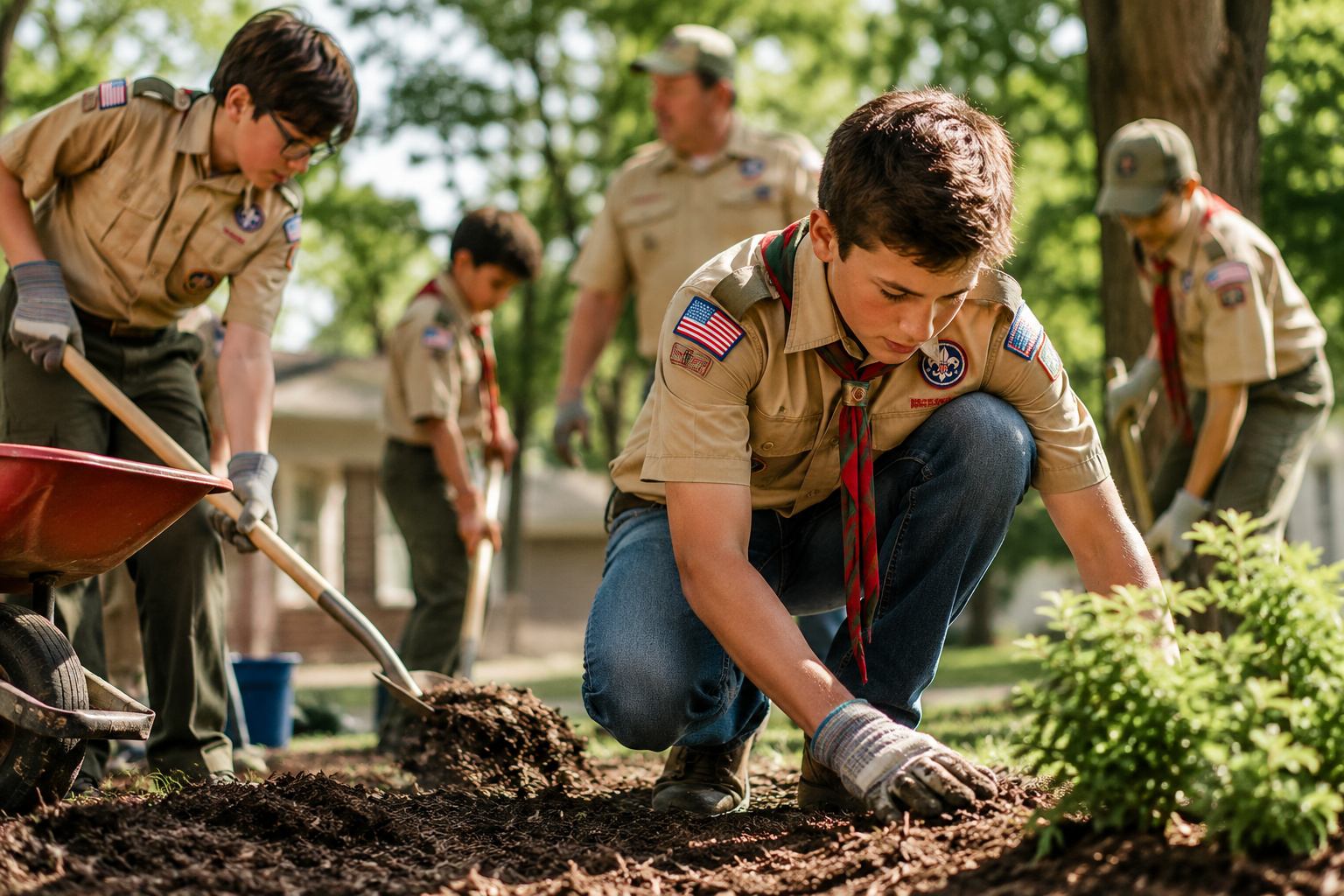
Veteran units are adaptable, capable of handling changes such as moving to a new charter when necessary. Their ability to change and respond to challenges benefits the youth and ensures continued operation. Community involvement is also a hallmark of veteran units, demonstrated through service projects and contributions to local events. This visibility and engagement strengthen the unit’s legacy.
Generational continuity is another aspect, former Scouts return as leaders, bringing their children into the program and expanding the unit’s legacy. This ongoing relationship builds a strong sense of tradition and community within veteran units.
Veteran units face hidden challenges, such as temporary lapses in registration. Losing the unit number means losing veteran status, regardless of previous years of service. Consistency in paperwork and timely registration are critical. If difficulties arise, reaching out to Commissioners at various levels can help preserve veteran status. The legacy of a unit with decades of service is celebrated in courts of honor and through historical records, emphasizing the importance of maintaining continuity.
Veteran units must stay within their council to be recognized, and achieving this status is not easy. It requires sustained effort and careful planning.
To ensure a unit’s longevity, leaders and members must identify potential challenges and proactively address them. Having resources and plans in place is essential. The commitment to veteran status benefits Scouts and Scouters alike, and achieving the veteran patch is a source of pride. Involving adults in the unit is critical, even when some are reluctant to step up. Discovering and utilizing their talents strengthens the unit and supports its continued success.
Ongoing hard work and dedication are needed to pursue veteran status. Seeing the veteran patch on a uniform is a testament to these efforts, and while it can be difficult to achieve, it is ultimately rewarding. Leaders are encouraged to engage with the community, share suggestions, and continue striving for excellence in their units. And till next time, I’ll see you on the trail.

- 🌐 Veteran Bars https://www.scoutinsignia.com/vetbar.htm
- 🌐 Veteran Unit Bar Award https://www.boyscouttrail.com/content/award/veteran_unit_bar-2306.asp
- 🌐 Uniform and insignia of Scouting America https://en.wikipedia.org/wiki/Uniform_and_insignia_of_Scouting_America
- 🌐 Scouting America Guide to Awards and Insignia: https://scouting.org/resources/insignia-guide/
- 🎬 https://youtu.be/v3QDyrPzOsA – OR – https://youtu.be/wvl_9cRMmY0
- 🎬 https://youtu.be/UurwZOi4zj8 – OR – https://youtu.be/NA7uHhxeiw4
- 🎬 https://youtu.be/ZwTTYL6Lhl0