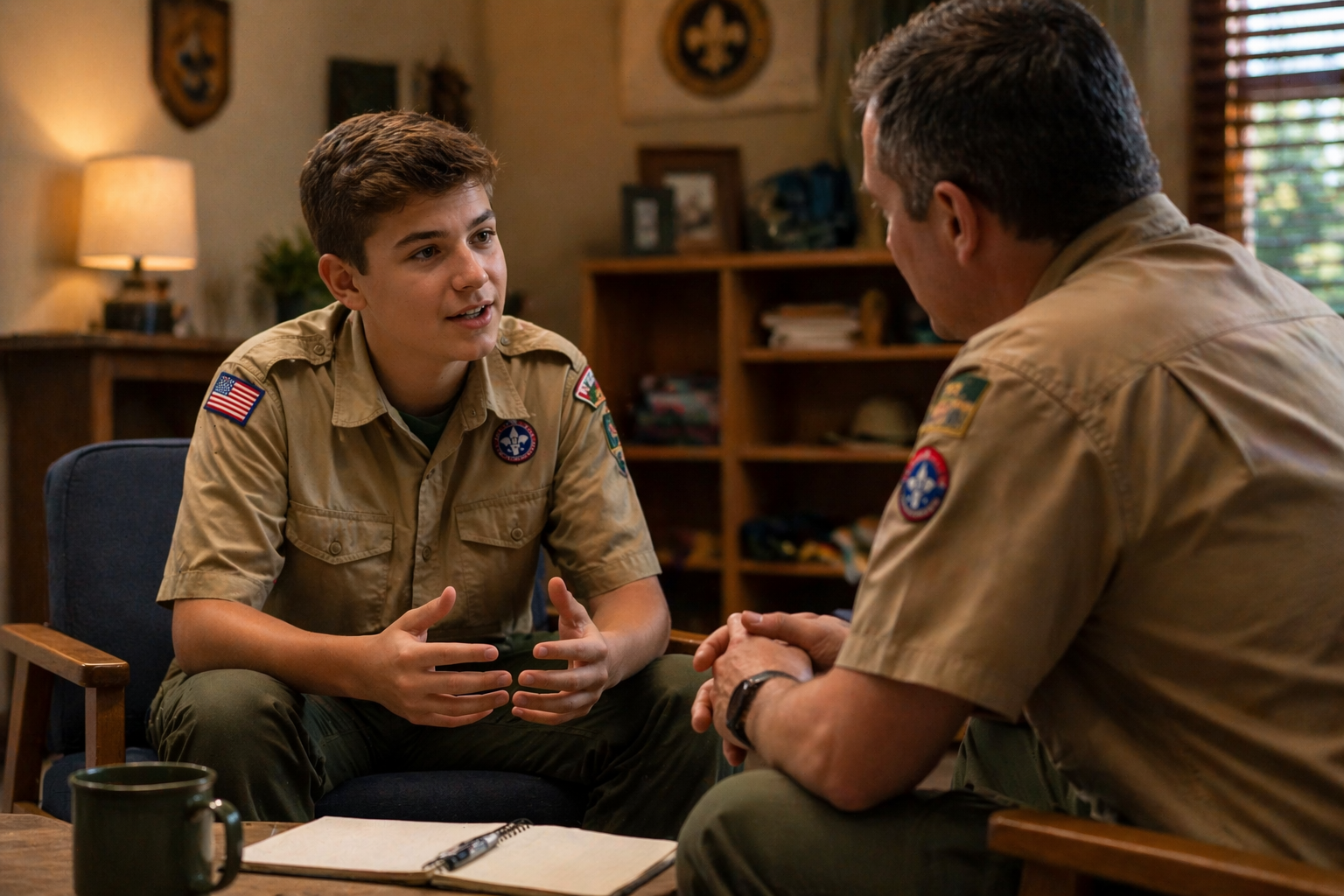
If your Scoutmaster Conference is more of a checklist, then you might be missing the most important part.
The Scoutmaster’s Conference is a key requirement for Scouts, as outlined in the handbook, especially for advancement. While often associated with rank progress, these conferences aren’t limited to that. They can also serve as an opportunity for the Scoutmaster to get to know the scouts and discuss their experiences and learning.
Assistant Scoutmasters also need opportunities to conduct these conferences, always following Safeguarding Scouts guidelines with two-deep leadership. This process helps Assistant Scoutmasters observe, learn, and eventually lead Scoutmaster Conferences themselves.
If you have a large Troop, you’ll frequently hold Scoutmaster Conferences. Many people consider conducting these conferences immediately after the general meeting, but that’s not ideal. You could end up staying late into the night, which isn’t practical since the next day may be a school day and Scouts need to return to class. Therefore, scheduling needs careful attention, and it’s helpful to involve Assistant Scoutmasters in conducting some of these conferences.
Advancements aren’t the only focus. Scouts deal with many aspects of life. It’s important to recognize that every Scout is an individual, each experiencing different challenges and holding unique expectations about Scouting. Gathering meaningful information from the Scout helps leaders support them effectively. Keeping a logbook to record notes about Scouts is common practice, especially when overseeing many Scouts. But it should remain confidential. Only relevant details that other Scout Leaders need to know should be documented. This allows leaders to stay informed, for example, if Billy faces an issue at school, everyone on the team will be aware and able to help.
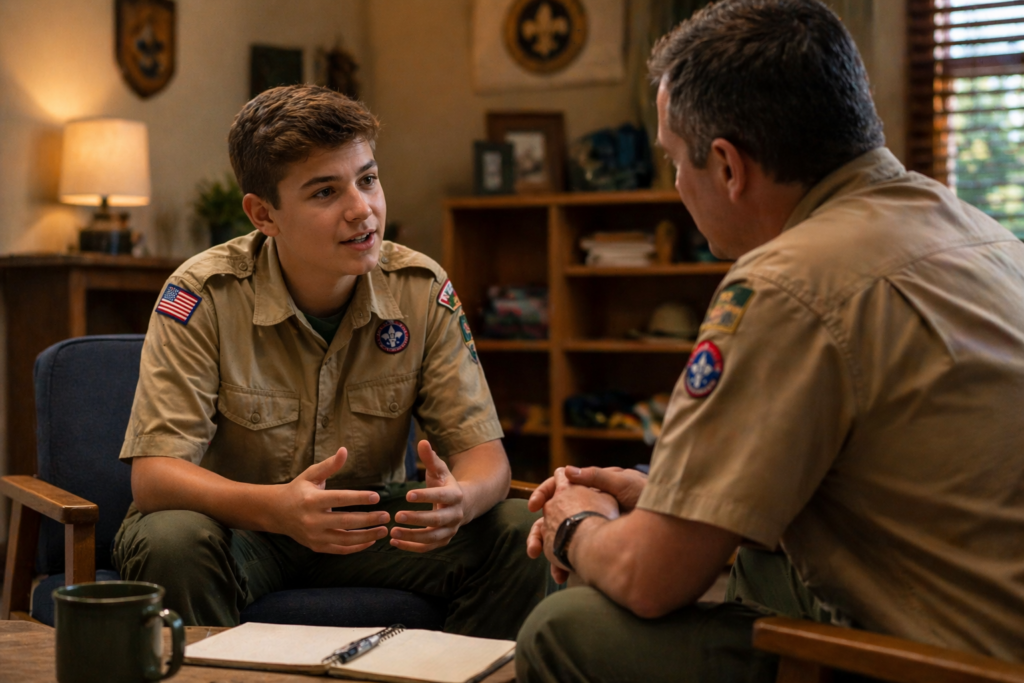
This information is to be shared exclusively with Scout-Facing leaders and must remain strictly confidential. It is intended for use in a leader’s logbook, which should not be accessible to youth members. Maintaining the security of this logbook is essential, as it may contain sensitive details, such as family circumstances, that are not appropriate for youth to access. Ensuring only relevant Scout-Facing leaders are informed helps protect privacy and prevent potential issues.
Scout Leaders may address these topics during their meetings to better support youth and maintain oversight. The ability to listen actively is vital for Scout Leaders, as it involves attentive listening and restating information conveyed by Scouts to Adult Leaders. This practice ensures accurate communication and fosters understanding between Scouts and Leaders.
During Scoutmaster Conferences, it’s common for leaders to talk too much. Instead, encourage Scouts to share by giving them time to think and respond. The conference isn’t for skill retesting; it’s about learning how the Scout is doing and understanding their challenges. Let the youth speak, practice active listening, and limit adult input.
If you haven’t done this before, think carefully about your questions. Open-ended questions are best, like “Why do you think that was important to learn?” They encourage youth to reflect rather than give simple answers. Learn from experienced leaders and use their effective questions to improve your Scoutmaster Conference skills.
Scout leaders must tailor their approach to each Scout, recognizing that every Scout possesses unique backgrounds, preferences, and expectations regarding their Scouting experience. Some Scouts are reserved and reflective, while others are outgoing and express their interests enthusiastically. Scout leaders need to understand and respond appropriately to these diverse personalities, facilitating meaningful engagement and information exchange among Scouts and Scout Leaders. Silence can be valuable and should be respected as part of the communication process.
During a Scoutmaster’s Conference, the goal is to prompt Scouts to think deeply about their experiences. It’s essential to ask questions that encourage reflection, rather than simple yes or no answers. This approach helps Scouts consider not just their advancement, but also important aspects of their participation within the patrol and troop.
One effective question is, “How do you feel about your patrol?” After posing such a question, it’s crucial to wait patiently for the Scout’s response. Giving Scouts space to share their feelings can reveal challenges that might otherwise go unnoticed. Some Scouts may be struggling within their patrol, and as Adult Leaders, it’s our responsibility to uncover these concerns.
This process allows leaders to identify problems and provide mentorship, guiding Scouts toward solutions. The key is to support Scouts in solving their own problems, fostering leadership and growth within the patrol. Some Scouts provide a lot of information, so let them speak. Ask questions like, “How did you feel about that?” or “What happened?” to encourage more details. It’s fine to prompt them and gather information.
Scout leaders often rely on checklists with standard questions, but variety and open-ended prompts can encourage deeper conversation. Instead of dictating answers, ask Scouts for their input or suggest discussing real situations from their patrols. Gathering information about whether the Scouting program works and how they see their patrol and spirit helps adult leaders mentor, facilitate, and build connections.
As an Adult Leader, you’re setting an example of leadership, often without even realizing it, by asking open-ended questions. That’s the approach we want Patrol Leaders, Senior Patrol Leaders, and everyone involved to take. Encourage youth to think by asking “why,” rather than simply telling them the answer. This technique is central to a successful Scoutmaster’s Conference. Demonstrating respect toward the youth during these conferences sets the standard for the mutual respect we hope to receive in return. For many young people, being shown respect upfront is a new experience and can represent a significant mindset shift. Trust is key, “a Scout is Trustworthy,” and offering your trust encourages them to reciprocate.
Being an example is powerful. Sometimes, what appears as self-assurance is actually leadership in disguise. A point worth pondering for all Adult Leaders. Instead of pretending to be confident (“fake it till you make it”), just take action… genuine confidence will follow. It’s important to adopt this mindset and pose thoughtful questions to the youth that challenge them to reflect on their responsibilities, their understanding of leadership, and all the lessons within Scouting. Such reflection is vital during Scoutmaster Conferences.
Questions in these meetings shouldn’t just focus on requirements. Those are covered elsewhere. Avoid simply checking off tasks. Instead, ask Scouts about the most challenging experiences in their rank and let them reflect before answering. Encourage them to share details from their handbook, patrol, Troop activities, campouts, and summer camps. Adult Leaders need this insight to help Scouts recognize achievements and areas for growth.
Many of the advancement requirements for ranks such as Star, Life, and Eagle involve leadership roles within the troop. Scouts must take on Troop Leadership positions as part of their growth and development. For example, you might say, “I know you were a Quartermaster. What was your biggest challenge?” After posing this question, it’s important to pause and allow the Scout time to think about their response. Listening carefully to their answer without interrupting helps you understand their perspective.
Once the Scout responds, repeat back what you heard to ensure clarity and show that you are actively listening. For instance, you might say, “So what you’re saying is that if you had enough tents, it would be less stressful.” This technique encourages the Scout to elaborate and share more about their experiences and challenges. Allow them to express themselves fully by maintaining silence and giving them space to talk. If you are speaking, you can’t listen, so it’s essential to stop and focus on what they have to say.
As Scout Leaders, it is important to recognize that issues and challenges are inevitable. When they arise, instead of offering solutions immediately, ask Scouts open-ended questions such as, “What would you do differently than what you did at this…?” Allow them the opportunity to answer and share their thoughts. This approach fosters reflection and encourages them to explain their reasoning and experiences. Prompts like “Tell me about it” invite Scouts to elaborate further, providing valuable insight into their perspective.
After posing a question, patiently wait and practice active listening. Do not rush to fill the silence; let Scouts speak at their own pace. Active listening is a skill that enables Scout Leaders to truly understand the Scouts’ experience, ensuring that communication is meaningful and supportive.
Growth often comes from failure. The concept of FAIL = “First Attempt In Learning” reminds both adults and youth that mistakes are part of the learning process. When a Scout’s plan does not go as intended, such as a campfire that did not succeed, allow them to reflect on the outcome. They will often recognize what went wrong and learn from the experience without needing it pointed out. This process promotes self-awareness and resilience.
Missed leadership expectations can also occur among adults, and that is normal. Leaders can recover from setbacks, adapt, and continue to support the troop. It is essential to provide Scouts and adults the space to have these moments, knowing that growth comes from overcoming challenges. This principle applies across all aspects of Scouting, including Board Of Reviews and any other situation where open-ended questions are used to encourage reflection and learning.
Involving Assistant Scoutmasters in Scoutmaster Conferences is crucial to strengthening the entire troop. It ensures that the responsibility does not fall solely on one person, making the process more robust and collaborative. With multiple leaders participating, the troop benefits from a diversity of approaches and support, which leads to a more dynamic and effective leadership team.
Scoutmaster’s Conferences are essential opportunities for learning and development within the troop. It is important for Scoutmasters to actively participate and refine their ability to lead these meetings effectively. This skill is crucial, and Scoutmasters should ensure that Assistant Scoutmasters are also proficient in conducting these vital conferences. The purpose of a Scoutmaster’s Conference goes beyond advancement; it can address specific areas, such as equipment, with Assistant Scoutmasters specializing in those discussions. For instance, an Assistant Scoutmaster responsible for equipment may hold a conference with Scouts to review and talk about gear, while the Scoutmaster handles advancement-related topics. This division of responsibilities allows for a flexible approach, tailored to the needs of the unit and the leadership team. Above all, maintaining a safe environment during these meetings is paramount. Strong, engaged leadership is necessary to step up and facilitate these conferences, ensuring their value and effectiveness for both Scouts and leaders.
Consistency is key to building trust with Scouts over time. It’s important to understand that some Scouts may be very quiet or even scared during their initial interactions. This is completely normal, especially since for many, these conversations may be the first time they’ve spoken thoughtfully with an adult outside their family. The experience can feel intimidating, so patience is crucial.
Adult Leaders should consistently ask Scouts what they think and how they feel. These questions can be transformative, as many Scouts have never been encouraged to reflect and express themselves in this way. In school, interactions are often limited to peers, and it’s rare for teachers to ask students about their feelings or perspectives. This unfamiliarity may cause Scouts to be shy or hesitant at first.
Allow them time to think and respond. Avoid overwhelming them with too many questions or dominating the conversation. Instead, give Scouts the space to process and communicate at their own pace. Over time, as they become more comfortable, their confidence will grow. This gradual process is essential and rewarding, leading to genuine and meaningful dialogue with Scouts.
Scoutmaster Conferences provide a valuable opportunity to uncover hidden concerns within the troop—issues that often go unnoticed or unspoken until a thoughtful conversation brings them to light. Sometimes, a Scout may mention something in passing, such as a patrol flag that’s falling apart and in need of sewing. Observations like these can highlight projects or needs that would otherwise remain overlooked, giving Scouts a chance to take initiative and contribute to the troop.
Recognition is another area where hidden problems may arise. For example, Scouts might express that they rarely receive totems from the Senior Patrol Leader due to a patrol shortage of some kind. These seemingly small details can affect morale and should be addressed. Using active listening, the Scoutmaster or Assistant Scoutmaster can respond by asking open-ended questions, “How do you feel about that?” or “What do you think we should do?” Questions such as “What do you think a patrol can do better?” encourage Scouts to reflect and offer their own solutions.
Every response from a Scout is an opportunity for leaders to practice active listening. By echoing their thoughts and feelings, “What do you feel?” “How do you feel?” “What do you think we should do?” Leaders foster a supportive environment where Scouts feel heard and empowered. These discussions help address underlying issues and encourage Scouts to take ownership in resolving challenges. The Scoutmaster Conference thus becomes a platform for meaningful communication, where Scouts and leaders work together to strengthen the unit.
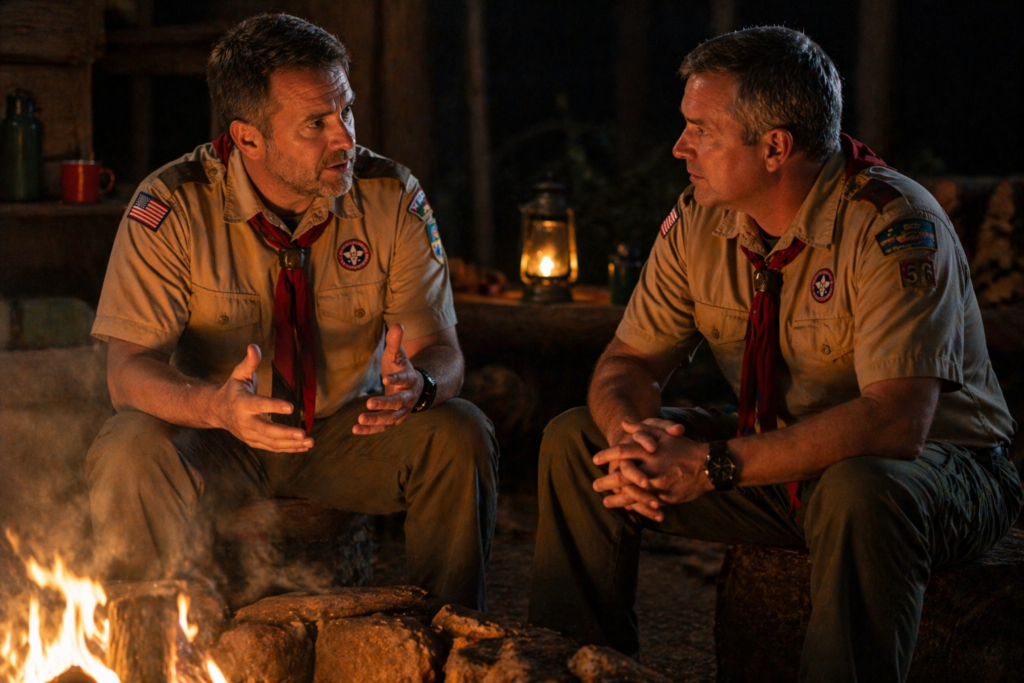
The benefits of open-ended questions and reflective conversations are not limited to Scouts alone. These practices can be equally valuable for other leaders within the troop. As a Scoutmaster, it’s important to actively engage with Assistant Scoutmasters, utilizing the same tools of inquiry and dialogue that are used with youth members. Conducting a Scoutmaster’s Conference with an Assistant Scoutmaster is not only appropriate but can be highly effective.
By having these open conversations, Scoutmasters can gather valuable insights and identify opportunities for improvement within the troop’s adult leadership. This collaborative approach encourages all leaders to reflect, share ideas, and step out of their comfort zones, ultimately enhancing the overall effectiveness and unity of the leadership team. Open communication among adult leaders ensures that everyone is contributing to making the Scouting unit stronger and more supportive for both youth and adults. The true value of the Scoutmaster Conference lies in its flexibility to serve both youth and adults, fostering continuous growth and improvement throughout the entire unit.
Thank you for your dedication to Scouting. Every effort you make contributes to shaping exceptional Scouts and building a stronger America. Our mission in Scouting America is clear: we strive to create a better nation by nurturing better youth, one Scout at a time.
There are many training opportunities available for Scout Leaders, but the highest level of training is Wood Badge. If you have already completed Wood Badge, that’s excellent. Please encourage others who have not attended to consider participating. If you have yet to go, it’s worth thinking about, as it offers valuable skills and insights for all leaders. Until next time, I’ll see you on the trail.
