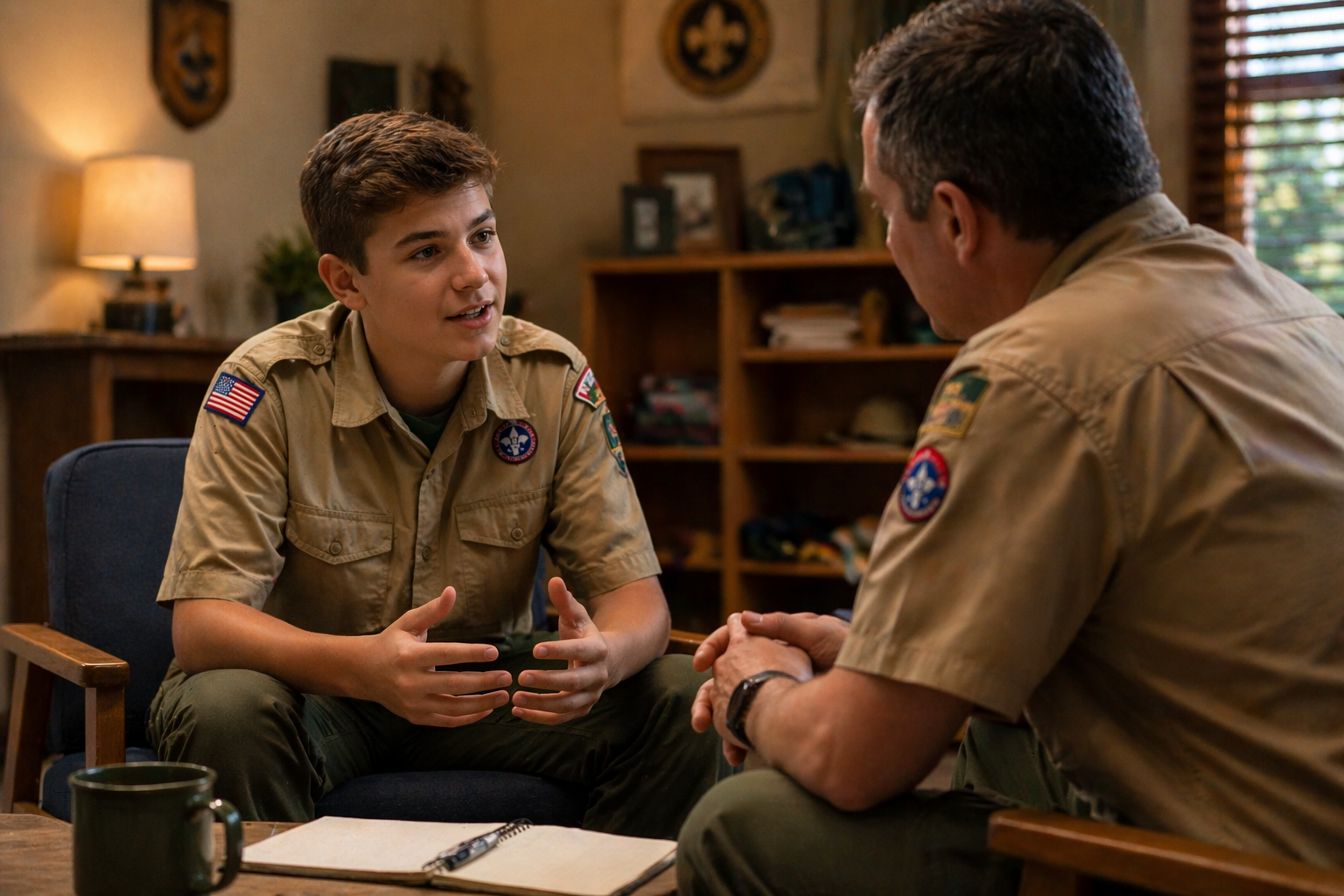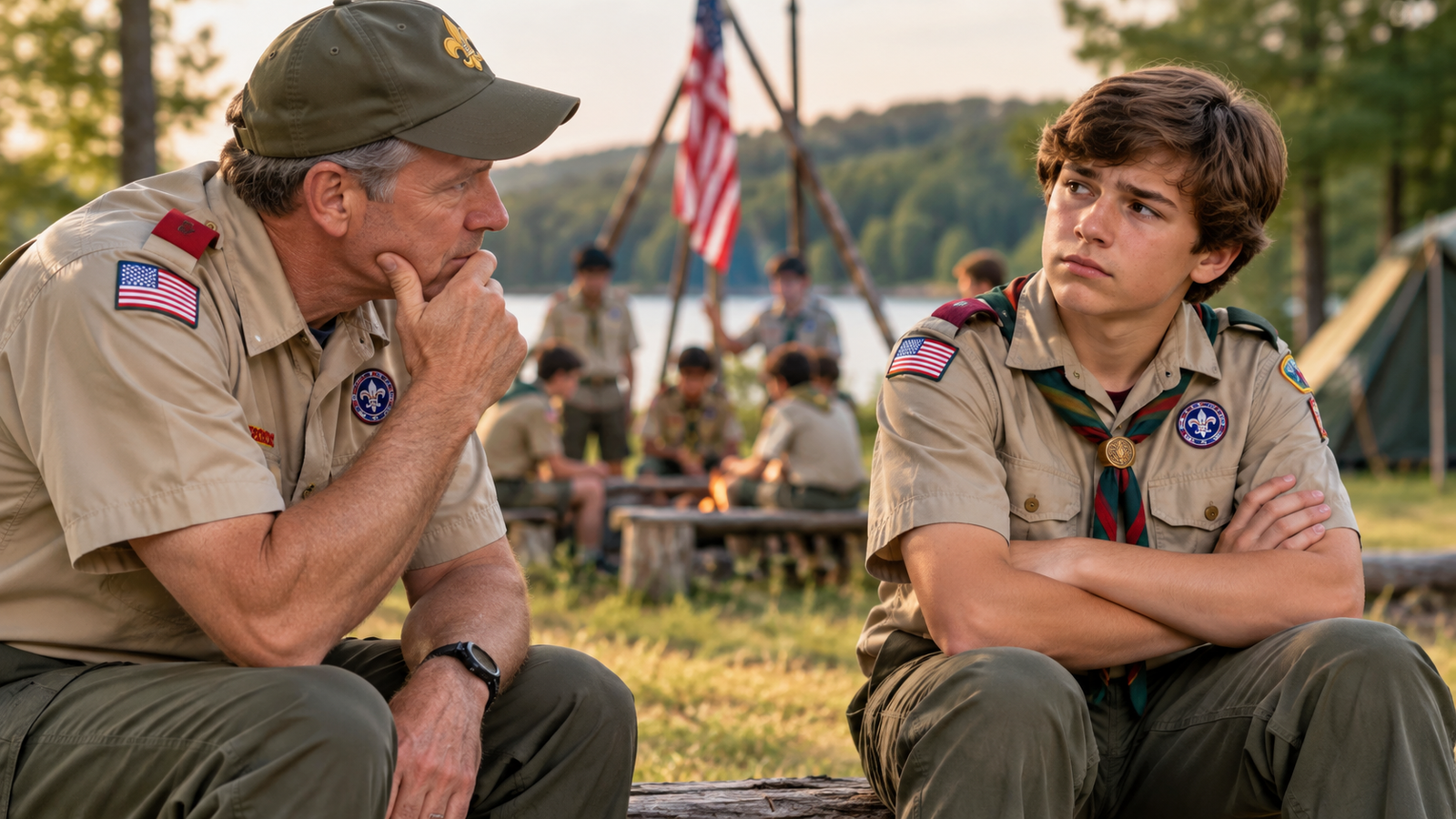
What should you do when a capable, experienced Scout, someone respected by the other Scouts, does not want a leadership position? The answer begins with curiosity, not pressure. A Scout’s reluctance may reflect anxiety, different interests, or a desire to contribute without holding a formal title.
Start by Understanding the Reluctance
Adult leaders often assume that an experienced Scout will naturally want to step into a formal leadership role. That is not always the case, and reluctance should not automatically be viewed as avoiding responsibility.
Common reasons a Scout may hesitate
- Public speaking feels intimidating. Addressing a patrol or an entire troop can be overwhelming. This fear is real and should be understood before it is coached.
- The administrative work is unappealing. A Scout may want to enjoy activities without taking on meetings, planning, or conflict management.
- Leadership seems likely to reduce the fun. The Scout may worry that a title will turn an enjoyable experience into an obligation.
- Failure feels risky. Remind the Scout that failure is a “First Attempt In Learning.” Scouting should be a safe place to try, make mistakes, and improve.
- Another role is more interesting. The Scout may prefer serving as webmaster, bugler, scribe, instructor, or in another position that better matches their strengths.
Have a conversation, not a lecture
Rather than saying, “You are old enough, you have the skills, and now it is time to step up,” ask, “What do you want to do?” Then wait and listen. Mentoring begins with understanding the Scout’s goals.
Leadership cannot be forced. A reluctant Scout may resist the position, and the resulting tension can diminish the enjoyment that should remain central to Scouting, whether on a campout, canoe trip, or hike.
Separate leadership from the title
A formal position and actual leadership are not the same thing. A Scout may not want the Patrol Leader job description but may still lead by:
- Teaching others how to build a fire or practice another skill
- Helping new Scouts learn camp routines
- Setting up camp or organizing equipment
- Building patrol spirit through a cheer, flag, or shared activity
These actions are genuine leadership. Focus less on whether the Scout fits a title and more on how the Scout already wants to help others.
Offer More Than One Path to Leadership
Leadership development is not always linear. Serving as Assistant Patrol Leader does not mean a Scout must become Patrol Leader, and serving as Senior Assistant Patrol Leader does not guarantee an interest in becoming Senior Patrol Leader.
Match roles to strengths and interests
Look for positions that fit what the Scout already enjoys doing:
- A Scout skilled at the EDGE method may thrive as an instructor.
- A Scout who enjoys helping younger youth may be interested in serving as a Den Chief.
- A former Den Chief may later enjoy serving as a Troop Guide.
- A Scout who prefers practical service may contribute as an assistant or as part of a small team.
The goal is not to force a position on a Scout. The goal is to help the Scout discover a role they genuinely want.
Use teams to expand participation
Patrol Method already teaches that youth can lead together. The same team approach can support other troop responsibilities. For example, several Quartermasters could divide responsibility by specialty:
- Boats, canoes, and life jackets
- Tents, dining flies, and camping gear
- Other equipment categories based on individual interests
Shared responsibility gives Scouts meaningful ways to contribute, practice leadership, and learn from one another without requiring every Scout to follow the same path.
Avoid Turning Leadership Into a Power Struggle
Pushing a Scout toward an unwanted role can create resistance. Instead, help the Scout choose a position they want and support them as they grow into it. Early uncertainty is normal, that is where coaching and mentoring matter most.
Coach the skills
Teach practical skills the role requires, such as:
- Planning and leading a meeting
- Applying Patrol Method within a patrol
- Communicating expectations
- Organizing tasks and following through
Mentor the person
Talk regularly about the Scout’s future interests so that leadership choices are intentional, not surprising or imposed. Do not award a position simply because a Scout is the oldest or appears to be next in line.
A leadership role should be something a Scout works toward with purpose. The adult mentor’s job is to encourage ideas, support thoughtful changes, and help the Scout prepare for a role they truly want.
Let the Scout Choose the Path
The central lesson is simple: the Scout should determine their leadership path, not the adults. Adults may recognize possibilities and gently encourage growth, but they should step back and ask what the Scout wants to do.
A role that seems like the obvious next step to an adult may not feel natural to the Scout. See the situation from the Scout’s perspective, listen carefully, and help turn their interests into meaningful opportunities to lead.
What adult leaders can do
- Ask what the Scout wants instead of assuming.
- Recognize leadership that happens outside formal positions.
- Guide, encourage, and equip the Scout without forcing a title.
- Accept that a different path can still produce growth and service.
It can be disappointing when a Scout does not follow the path you imagined. Do not let that disappointment become the problem. Help the Scout succeed on a path they value. By doing so, we continue “building a better America one Scout at a time.” And I’ll see you on the trail.

Click here to watch the video on YouTube.