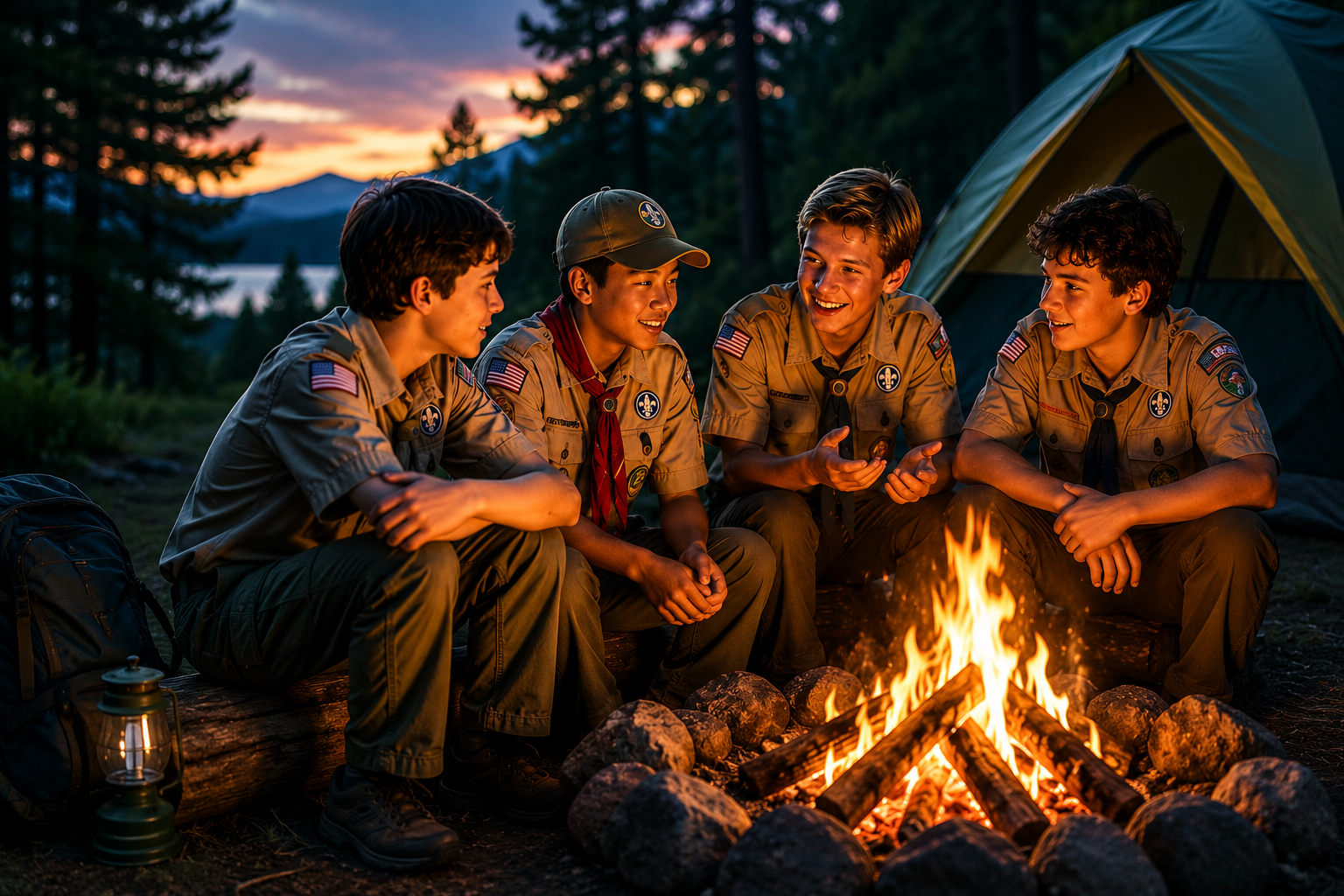
Why the Outdoors Matters
The outdoors is where scouting stops being theory and becomes real life. Many troops do not spend enough time outside, but that is where scouting’s core lessons truly take shape. Campouts, hikes, canoe trips, day adventures, weekends away, and summer camp all give scouts the chance to apply what they have learned in meaningful situations.
In a classroom, lessons can stay abstract. Outdoors, they become immediate and memorable. If a scout forgets rain gear and it starts to pour, they learn the value of preparation very quickly. If someone does not help set up camp, everyone notices. The outdoors makes responsibility, teamwork, and preparedness visible in a way no classroom can.
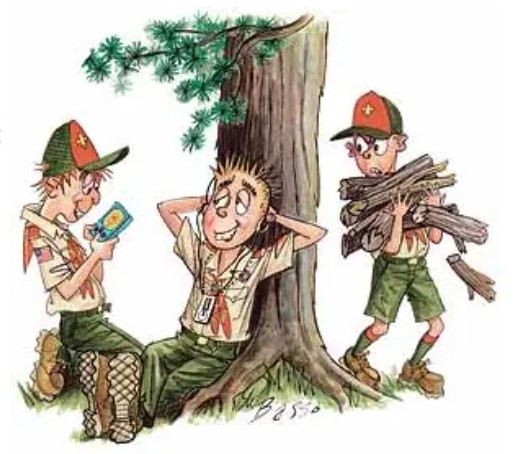
Preparedness and Responsibility
One of the clearest scouting values is to “be prepared.” When scouts bring the right gear, participate fully, and take responsibility for their role, the entire experience improves. When they do not, the consequences are real: the journey becomes harder, the group has to compensate, and important lessons are learned.
- Forgetting essential gear can turn a simple outing into a difficult one.
- Skipping participation in camp setup or cleanup places extra work on others.
- Ignoring what was taught in training often leads to avoidable problems on the trail.
Unlike a classroom, the outdoors does not allow scouts to stay disengaged. Their choices stand out, and so does their effort.
Self-Reliance and Problem-Solving
The outdoors also teaches self-reliance. Scouts appreciate adventures more when they bring what they need, pack wisely, and learn to depend on their own equipment. Taking too much on a hike or canoe trip can be just as troublesome as forgetting something important.
Outdoor experiences also create natural opportunities for problem-solving. A tent may not go up because poles were mixed with another tent. A fire may not light because wet material was placed on top of dry tinder. Food may burn, paper towels may be left out overnight, or a patrol may forget cooking oil for the Dutch oven. These are not failures that ruin the trip. They are learning moments that help scouts think, adapt, and lead.
For adult leaders, this often means stepping back and allowing scouts time to work through the issue. Leadership develops when scouts pause, assess the problem, and decide on a practical solution, such as checking with the quartermaster or borrowing from another patrol.
Teamwork, Communication, and Leadership
Outdoor challenges turn teamwork from an idea into a necessity. When something goes wrong, scouts must communicate, negotiate, and cooperate. A forgotten item, a wet campsite, or a meal gone wrong becomes a shared problem to solve together.
These situations also teach an important leadership lesson: do not rush to judge. A scout who seems unwilling to help may be dealing with an injury or another limitation. Good communication means asking questions, understanding the full situation, and responding with empathy rather than assumptions.
That is where scouting values come alive. Communication, accountability, service, and leadership become practical skills rather than abstract lessons.
Learning Through Difficulty
Confidence comes from doing hard things. Every campout brings some form of challenge, whether it is bad weather, a wrong turn on a hike, homesickness, or a simple mistake in camp setup. These moments are not interruptions to the experience… they are part of the experience.
Scouts learn resilience when they work through adversity step by step. A storm may test whether tents were properly secured. A long hike may become longer after a wrong turn. A first-time camper may struggle with being away from home. Older scouts can step in as mentors, helping newer scouts adapt and stay engaged.
Failure, in this sense, is valuable. It is often the first real opportunity scouts have to apply what they have learned. Success after a setback leaves a lasting impression because it was earned.
Why Outdoor Experience Matters So Much
Scouts and scouters need real opportunities to use their training. That is true for troops, crews, and Sea Scouts alike. If scouting stays inside a room with a whiteboard, it remains theory. Once scouts face real situations outdoors, the lessons become part of who they are.
That is the great value of outdoor adventure: it turns preparation into action, challenges into growth, and instruction into experience. It is where scouting truly comes to life.
The Value of Failure Outdoors
Failure in the outdoors is incredibly valuable. If everything goes perfectly, scouts rarely need to use the skills they have been taught. Real growth happens when something goes wrong, and they have to respond. That is why so many scouts remember the campout where it rained, snowed, or presented some other unexpected challenge. Those are often the experiences that stay with them the longest.
This does not mean leaders should seek out hardship, but they should recognize its value. Burnt food, forgotten batteries, collapsed tents, or changes to a planned route all create opportunities to practice judgment, resilience, and teamwork. In a classroom, these challenges can be discussed. Outdoors, they must be managed.
Resilience and Attitude
Scouts build patience and perseverance by working through discomfort. Mud, bugs, rain, and cold are not just inconveniences… they are part of the environment that teaches scouts how to respond with self-control and determination. Some youth may want to give up when things get difficult, but those moments create opportunities for mentoring and encouragement.
Adversity helps scouts adjust their attitudes. Instead of seeing every setback as a reason to stop, they begin to view challenges as problems to solve. Over time, this develops perseverance, confidence, and better emotional control.
Leadership in the Outdoors
Leadership often looks different outdoors than it does in a classroom. It is not always the loudest scout, the highest-ranking scout, or the one with the most experience who leads best. Outdoor leadership often comes from the scout who stays calm, understands the situation, and offers the most useful solution.
Experienced scouts may serve as mentors, guiding patrol leaders and offering suggestions without taking over. Adult leaders should also resist the urge to intervene too quickly. When they step back and observe, they are often surprised by how adaptable and capable youth leaders can be.
Outdoors, leadership is practical. It means solving problems, encouraging others, recognizing success, and helping the group move forward without adding confusion.
Independence and Youth-Led Scouting
The outdoors also helps scouts grow more independent. Away from constant parental guidance, they have space to make decisions, solve problems, and learn from the results. This is one of the great strengths of a youth-led program.
Adult leaders are there to ensure safety, but the scouts should handle as much of the experience as they can themselves. That is how they build judgment, confidence, and ownership of their role in the troop.
Relationships, Culture, and Trust
Campouts build relationships in ways regular meetings rarely can. Around the campfire, during cleanup, or in quiet conversations at the end of the day, scouts form friendships, build trust, and strengthen the culture of the troop. These moments may seem small, but they are often the ones that create lasting memories and lifelong bonds.
Adult leaders should pay attention to these moments without controlling them. The way scouts include one another, solve disagreements, and share experiences helps shape the troop’s culture. Traditions, trust, and mutual support often grow most naturally in these informal outdoor settings.
Humility and Growth
The outdoors also teaches humility. Even the most confident scout will eventually face mud, bugs, weather, or a mistake that does not go according to plan. These experiences remind scouts that no one is perfect and that growth often comes through discomfort and correction.
For many young people, modern life is highly controlled and comfortable. Outdoor experiences healthily break that pattern. They teach respect for others, openness to feedback, and the ability to stay steady under pressure.
Final Thoughts
Scouting is at its best when youth have real opportunities to put their training into practice. The outdoors provides those opportunities. It turns lessons into habits, challenges into growth, and shared experiences into strong teams. That is why outdoor adventure matters so much. It is not just an activity added to scouting. It is one of the main ways scouting fulfills its purpose. Till next time, I’ll see you on the trail.

- 🌐 Troop Meeting Agenda: https://troopleader.scouting.org/troop-meetings/
- 📄 Meeting Planner PDF: https://troopleader.scouting.org/wp-content/uploads/sites/5/2019/03/Fillable-Planning-Form.pdf
- 🌐 Scouts BSA Troop Resources: https://www.scouting.org/programs/scouts-bsa/troop-resources/
- 🌐 The Senior Patrol Leader Handbook: https://www.scoutshop.org/senior-patrol-leader-handbook-660536.html
- 🌐 Scouting Safely & Homesickness: https://www.scouting.org/health-and-safety/safety-moments/homesickness/