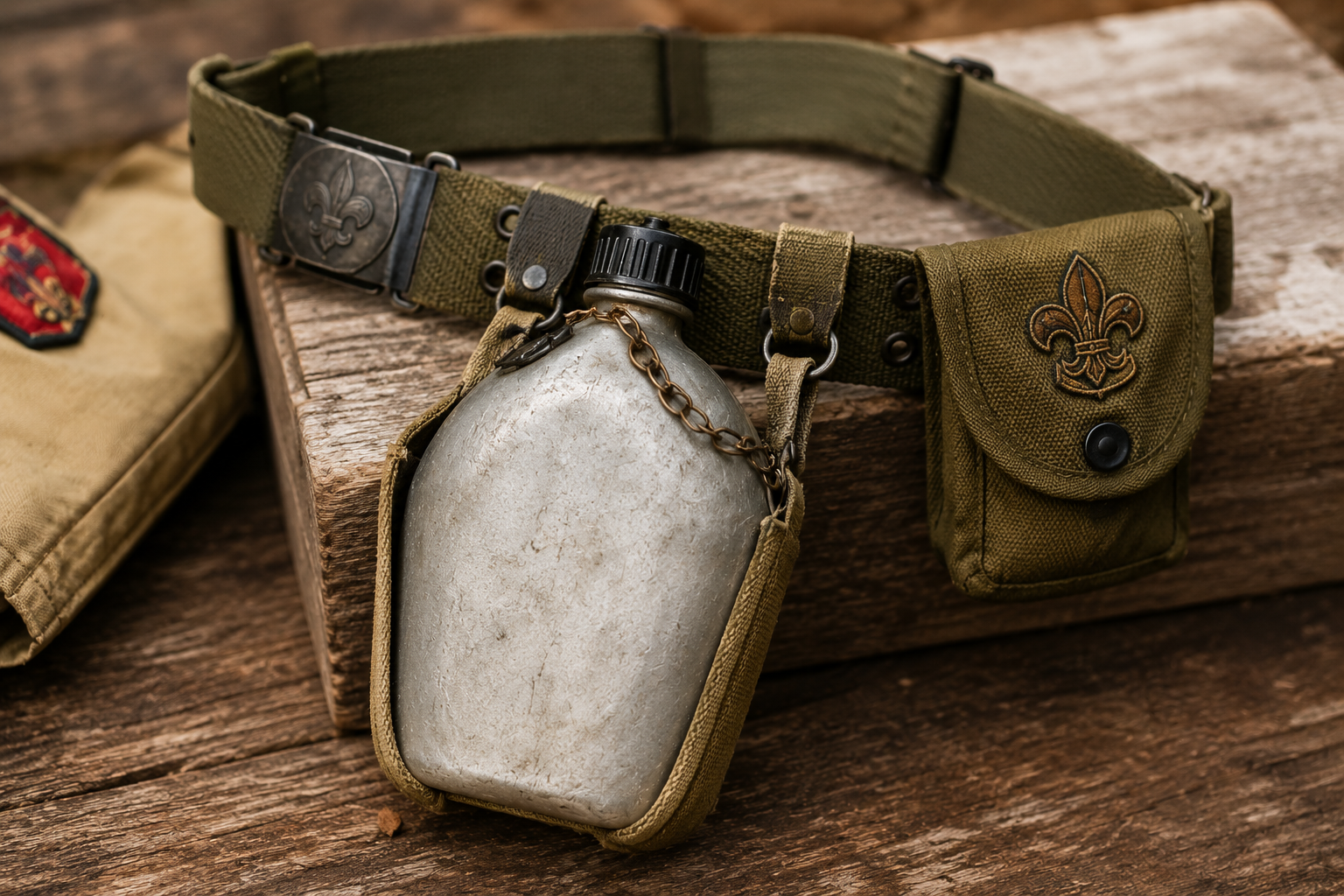
The Scout uniform is more than a shirt covered in badges. It is a visible promise, a sign of purpose, belonging, and commitment. But do Scouts truly understand what it represents?
Why Scouts Wear a Uniform
Uniforms are common in youth activities, from team sports to martial arts, because they make a group and its purpose immediately recognizable. The Scout uniform serves the same function. Whether worn by a Cub Scout, a troop member, or a crew member, it identifies both the individual Scout and the larger Scouting movement.
That recognition has practical value. When I arrive early at an unfamiliar meeting place, for example, I look for someone in uniform. As soon as I see one, I know I am in the right place and among Scouts.
For a new member, putting on the blue Cub Scout uniform or tan Scout shirt can also create a powerful sense of connection. It says, “I am part of something larger.” Scouts have worn uniforms since the movement began, building more than a century of public recognition. In the community, the uniform has come to represent service, good turns, and a commitment to doing what is right.
A Symbol of Belonging and a Story
At national and international events, Scout uniforms vary by unit and country, yet certain elements remain recognizable. Seeing another Scout in uniform creates an immediate connection. Both of you belong to the worldwide Scouting movement.
The uniform also tells a story. Its insignia can show:
- Where a Scout or Scouter has served
- The skills and achievements they have earned
- The responsibilities they have accepted
- The commitments they have made
Because each badge has a designated place, wearing the correct insignia in the correct position matters. Proper placement makes the story clear and keeps the uniform meaningful.
What the Uniform Means for Adult Leaders
For an adult leader, the uniform should not be a display of position or status. It is an outward sign of commitment to the Scout Oath and Scout Law and a reminder to help other people at all times.
When adult leaders put on the uniform, they accept several responsibilities:
- Be the example, not the exception. Model the values expected of Scouts.
- Represent Scouting well. Wear a clean, orderly uniform and conduct yourself accordingly.
- Serve the youth. Mentor, coach, and help young people succeed.
- Live the promise consistently. Scouts notice when an adult’s conduct does not match the Oath and Law, especially when that adult is in uniform.
The uniform is therefore a commitment to the young people we serve. It reminds adult leaders that Scouting is not about patches or titles. It is about demonstrating character in action.
Does the Uniform Make a Better Scout?
Wearing the uniform does not automatically make someone a better Scout. Character comes from living the Scout Oath and Scout Law. The uniform simply keeps those promises visible and present.
That visibility is especially meaningful during public activities such as:
- Fundraisers
- Food Drives
- Service Projects
- Community Good Turns
In these settings, the public associates the uniform with service and Scout values. A crisp, complete uniform cannot compensate for conduct that contradicts those values. Likewise, a Scout without every piece of the uniform may still live the Oath and Law faithfully every day. The uniform reinforces the standard it does not replace it.
What the Uniform Communicates to the Public
During service projects and other public activities, Scouts should wear a recognizable, consistent form of dress. A traditional field uniform may be appropriate, but a unit T-shirt or another practical activity uniform can work better for strenuous tasks such as collecting trash, improving park drainage, or planting. A neckerchief can maintain a clear Scout identity and, when dampened in a warm climate, may also help the wearer stay cool.
Whatever form it takes, the uniform should help the public recognize an organized group of young people serving their community. It connects Scouting with helpfulness, service, and shared purpose, and reminds people that Scouting remains active.
The Uniform Is Not a Measure of Worth
A uniform records part of a Scout’s journey. It does not determine a Scout’s value. A new member may have only a few insignia, while a more experienced Scout may display many achievements. Those differences tell a story of experience, not a ranking of personal worth.
What matters most is belonging to a movement grounded in the values of the Scout Oath and Scout Law. The uniform is an outward symbol of the promise to live by those values, but the promise continues after the uniform comes off. Adults must model that consistency so young people can see Scout values in action. Over time, the goal is for the Oath and Law to become part of who every Scout and Scouter is. So, till next time, I’ll see you on the trail.

Click here to watch the video on YouTube.